Puppy Biting Hands - Bite Inhibition and What Actually Works
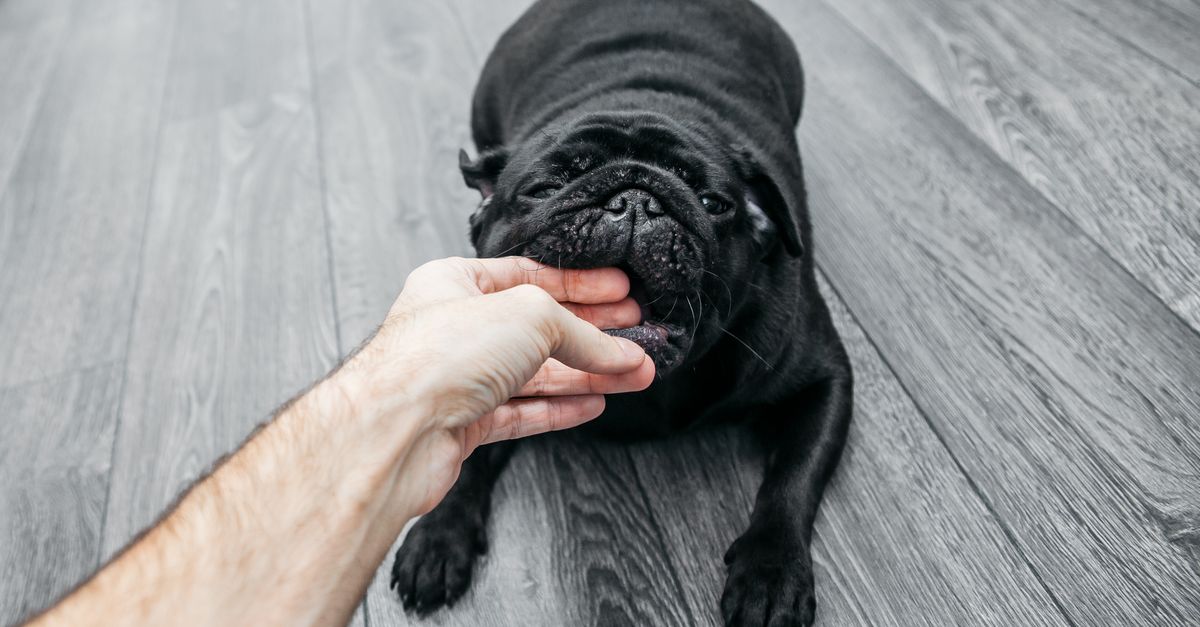
Biting is normal puppy behaviour - puppies explore the world with their mouths and learn bite inhibition through play. Effective training means consistently redirecting to toys, ending play the moment teeth touch skin, and rewarding calm contact. Physical punishment and shouting are ineffective and can make things worse.
A new puppy in the house is pure joy - until those tiny teeth start treating your hands like their favourite chew toy. Relax: this is not aggressive behaviour or a warning sign. This is simply a puppy doing exactly what it is programmed to do. The question is how to guide it through this stage without damage to your hands or the puppy's trust.
Why Do Puppies Bite?
Before you try to change the behaviour, it helps to understand where it comes from. Puppies bite for several overlapping reasons:
- Exploration. A puppy's muzzle is the equivalent of human hands - it sniffs, licks, and bites to learn about the world.
- Play. Littermates play through biting. When a puppy arrives home, it tries the same approach with people.
- Teething. Between 3 and 6 months, milk teeth fall out and adult teeth push through - sore gums, and biting brings relief.
- Learning limits. A puppy figures out how hard it can bite before play stops. That is bite inhibition learning - and you can actively participate in it.
Biting becomes a problem when it is uncontrolled. The goal is not to eliminate all mouthing - it is to teach force and context.
What Is Bite Inhibition and Why It Matters
Bite inhibition is the ability to control the force of a bite. Dogs with good bite inhibition, even if they ever make contact with a person, do so with minimal pressure - it is one of the most important safety skills you can give a dog.
A puppy learns it naturally in the litter: bite too hard and the sibling yelps, then stops playing. You can recreate that mechanism at home.
How to Respond When Your Puppy Bites
Step 1 - signal and end contact
The moment teeth touch skin (even gently), say a calm but clear "ouch" or "no" and immediately end the interaction. Turn away, stand up, or leave the room. The break should last 30-60 seconds.
The signal you are building is consistent: teeth on body = game over. No drama, no shouting - just a clean end.
Step 2 - return and try again
After the short break, go back and resume. If the puppy bites again - repeat. Consistency is everything. Children, guests, every person in the puppy's life must respond the same way, or learning takes far longer.
Step 3 - reward calm contact
When the puppy interacts without using teeth - licks your hand, rests a paw, brings a toy - reward that with calm praise and a treat. Reinforce what you want to see more of.
Redirection to Toys - Your Best Tool
Rather than waiting to react, be proactive:
| Situation | What to do |
|---|---|
| Puppy charging towards you with biting intent | Produce a toy and invite play with it |
| Teeth approaching your hand | Offer a rope toy or rubber chew |
| Puppy is aroused and will not let up | Practice a short "take it / give it" game with a toy |
A good chew toy is one you can hold - rope toys, rubber chews, fabric tug toys. The puppy bites the toy, not you.
Important: do not wave your hands or feet during play - moving limbs are a natural invitation for chasing and biting.
What NOT to Do
Several popular "methods" are ineffective or actively harmful:
- Smacking the muzzle, squeezing the mouth shut, blowing in the nose. These do not teach bite force control. They teach fear of hands - which can lead to defensive aggression later in life.
- Shouting and dramatic reactions. Many puppies interpret this as an exciting play response and escalate.
- Ignoring it without a clear signal. If the puppy bites and you just sit quietly, it learns biting is acceptable.
- Pinning or "dominance" techniques. Dominance theory has been discredited by modern animal behaviour science. These approaches build fear, not respect, and AVSAB does not recommend punishment as a first-line response to behaviour issues.
When to Ask for Help
The vast majority of puppies pass through this phase without complications. Consult a certified behaviourist or vet if:
- The puppy growls, stiffens, or attacks - these signals go beyond normal mouthing.
- Biting is very intense and the puppy shows no improvement after several weeks of consistent work.
- Biting occurs in specific contexts (around food, near the crate) - this may be resource guarding.
For more on helping your puppy understand the world, read our article on dog socialisation. And for making walks enjoyable from the start, see our guide to walking a puppy.
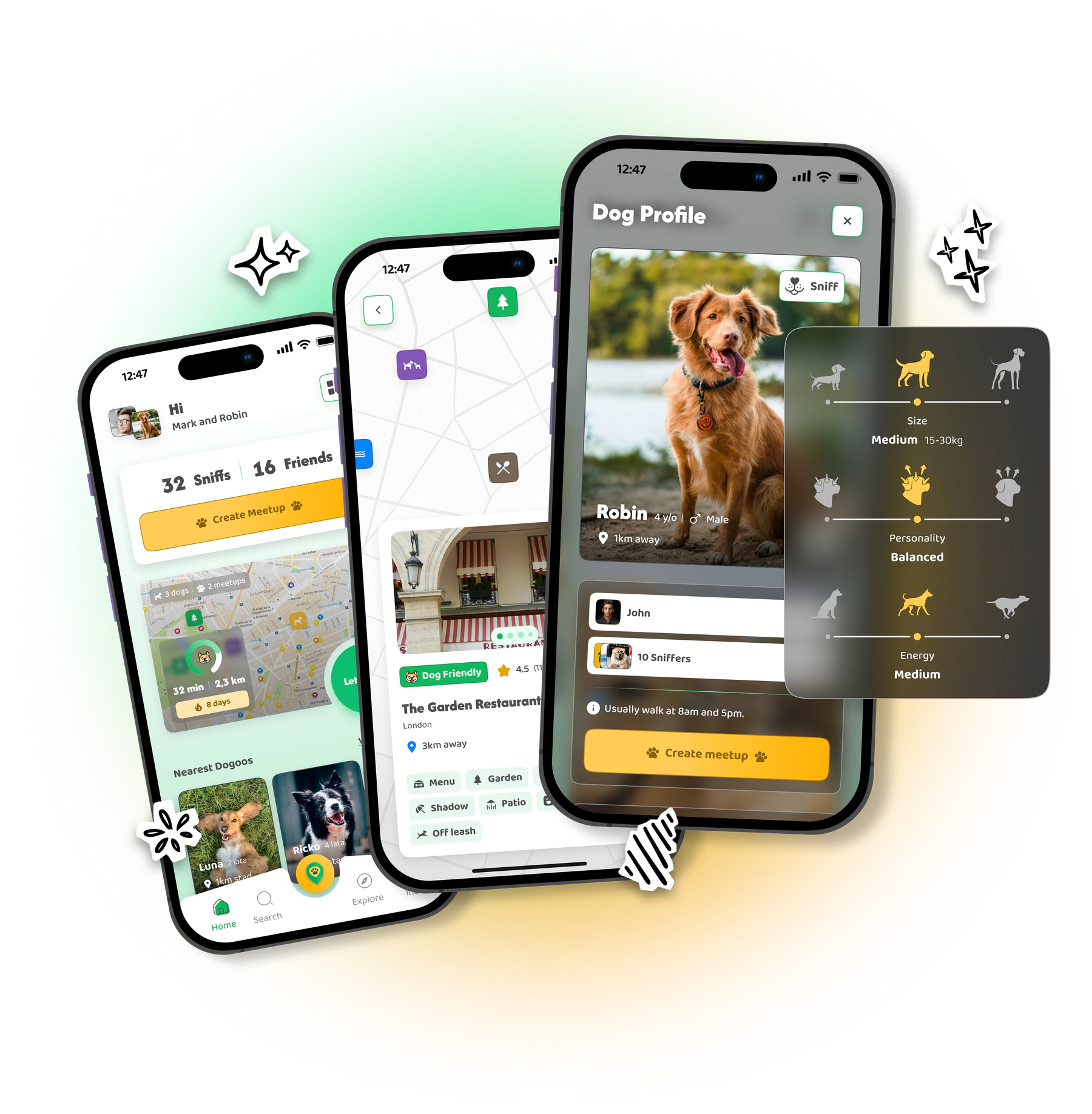
A puppy that has learned to control its bite is a safer companion for life. A safe companion is a dog you can take everywhere - to the park, to a cafe, to meet other dogs. Start with the basics and the rest follows. Use the DOGOUT map to find off-leash areas and parks where your puppy can practise social contact with other dogs in a controlled setting - it is all part of the same learning process.
Frequently asked questions
- Is it normal for a puppy to bite hands?
- Yes - it is one of the most natural ways puppies explore their environment and learn social boundaries. Biting usually intensifies between 3 and 6 months of age during teething.
- What is bite inhibition?
- Bite inhibition is the ability to control the force of a bite. Puppies learn it from their mother and littermates - biting too hard ends the play session. You can continue that lesson at home by ending all interaction the moment teeth touch skin.
- What should I do when my puppy bites too hard?
- Say a calm 'ouch' or 'no' and immediately end the play - turn away, stand up, or leave the room for 30-60 seconds. No shouting, no grabbing - just a consistent signal that teeth on skin means the fun stops.
- How long does it take?
- Most puppies start making noticeable progress within 2-4 weeks of consistent work. Full reliability usually comes between 5 and 7 months of age, as peak teething passes.
- What should I absolutely not do?
- Do not smack the puppy on the muzzle, squeeze its mouth shut, or blow in its nose. These do not teach bite strength - they teach the puppy to fear hands, which can lead to genuine defensive aggression later.
- When should I contact a behaviourist?
- If your puppy growls, freezes and stiffens before biting, or attacks without apparent trigger - those go beyond normal mouthing. If biting is very intense and shows no improvement after several weeks of consistent work, consult a certified behaviourist or vet.