Dog Runs Away and Won't Come Back - Why It Happens and How to Fix It
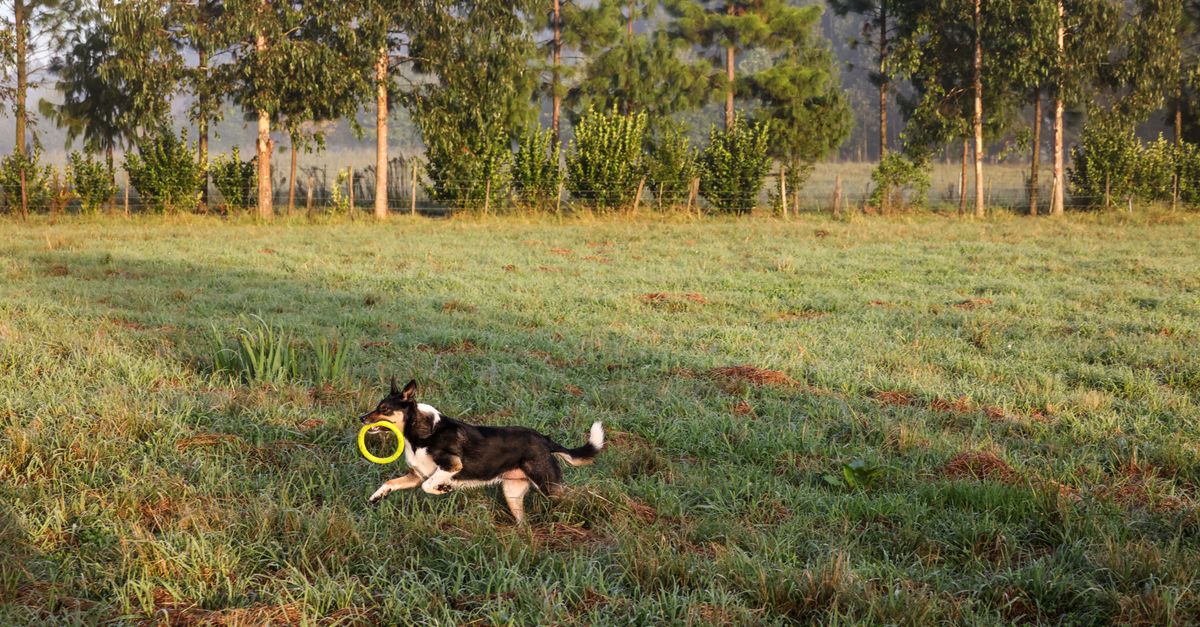
Dogs run away for five main reasons: mating instinct, prey drive, fear, boredom, and weak recall. The most effective prevention is a solid 'come' command trained regularly, secure fencing, and - if your dog isn't bred - neutering or spaying, which reduces roaming in around 90% of dogs.
A dog that vanishes in a split second is one of the most stressful moments for any owner. The good news: escapes are not inevitable. They are predictable - and preventable, once you understand what drives them.
Why Dogs Run Away - 5 Main Causes
Before you reach for solutions, understand the motivation. Your dog isn't running away out of spite - they are running because something outside is, right now, more rewarding than staying with you.
| Cause | When it typically happens | What helps |
|---|---|---|
| Mating instinct | Spring, presence of a female in season | Spaying/neutering |
| Prey drive | Any time - walks, garden | Recall training, long line |
| Fear (fireworks, thunder, loud noises) | New Year's, summer storms | Desensitisation, safe space, behaviourist |
| Boredom and under-stimulation | Daily, when exercise is too low | More activity, mental enrichment |
| Weak recall | Any time the dog senses an opportunity | Consistent recall training |
Mating instinct
An intact male can detect a female in season from several kilometres away. At that moment, no amount of training or fencing is a guaranteed barrier - his biology says: go. Research shows that neutering reduces roaming in approximately 90% of male dogs. If your dog isn't intended for breeding, it's worth a conversation with your vet.
Prey drive
A dog that sits calmly one second and is chasing a squirrel across the park the next isn't being disobedient - he's being a dog. Prey drive shuts down responsiveness to cues, especially in breeds like the Beagle, Jack Russell Terrier, Husky, Podenco, or Greyhound. The solution here is working on recall before the dog enters high arousal, not during a full chase.
Fear
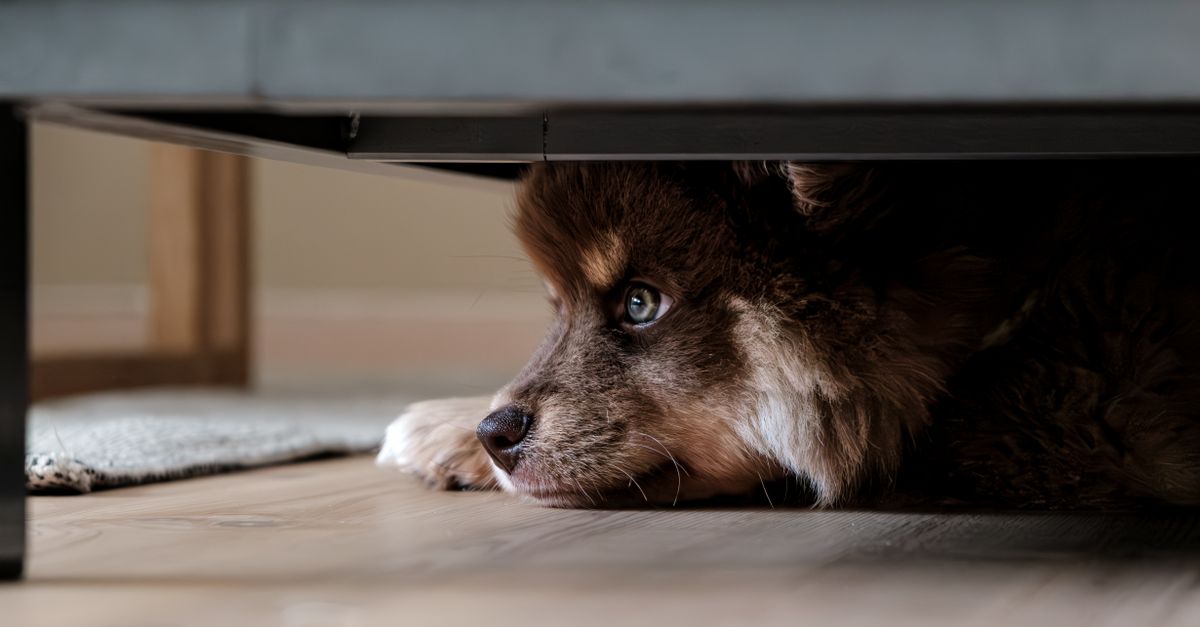
Fear is the fastest escape trigger. A dog panicked by fireworks, a thunderstorm, or a sudden loud noise runs blindly - forward, anywhere away from the threat. This is why shelters report spikes in stray intake after New Year's Eve. For help with noise-sensitive dogs, read our article on dogs scared of fireworks.
Boredom
A dog with too much energy and too little mental stimulation will find its own entertainment. Sometimes that entertainment involves scouting what's beyond the fence. Find out how much exercise your dog actually needs in how many walks does a dog need.
Weak recall
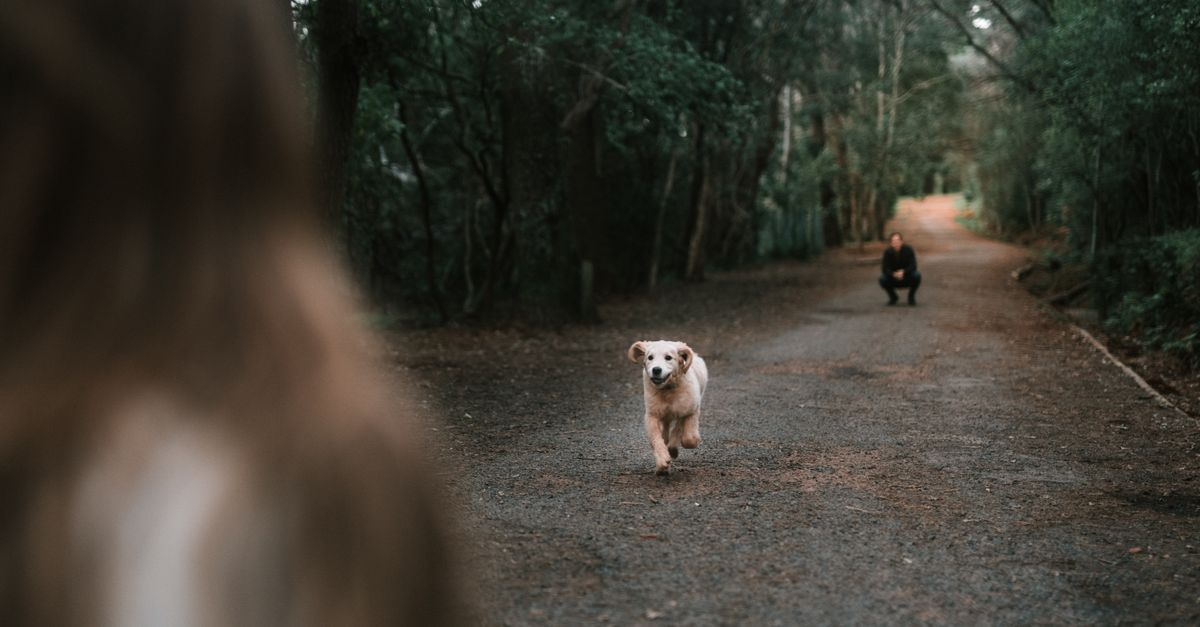
This is the thread that connects everything else. Even when a dog bolts for another reason, strong recall lets you call them back. Weak recall doesn't.
How to Build a Reliable Recall
Recall isn't a command your dog either knows or doesn't know. It's a skill you practise consistently across different conditions.
Core principles:
- Always reward returning - treat, play, a happy voice. Never punish coming to you, even if it took far too long.
- Don't call your dog when you know they won't come. Every ignored "come" weakens the cue.
- Training mid-chase is training for failure. Build from low distraction, then higher.
- A long line (5-10 m) gives your dog freedom and you control. The dog can't "test" ignoring the recall because you can always reel them in.
- Call your dog back multiple times on every walk, reward them, then release them to run again. Returning to you must not always mean the end of fun.
For a step-by-step guide, see our article on teaching dog recall.
Physical Safeguards - Fencing, Microchip, Collar
Training is the foundation, but physical security is your second line of defence:
- Fencing: Check for gaps, dig-outs, or places where your dog can climb. Aim for at least 1.5 m for large breeds - a Siberian Husky can clear 1.8 m without much effort.
- Gate: The most common escape point. Use a double-gate airlock system, keyed locks, and signs reminding visitors to close the gate behind them.
- Microchip: An absolute minimum. Chipped dogs are reunited with owners more than twice as often as unchipped dogs. Your chip is only as good as the registration data behind it - keep your number current.
- ID tag on the collar: A chip needs a scanner. An ID tag with your dog's name and your phone number works the moment anyone finds them on the street.
What to Do When Your Dog Has Already Bolted
First rule: do not chase. A dog you run after will run further - you are activating their flight instinct. Instead:
- Sit or crouch down - change the dynamic.
- Look away and call in a happy, not commanding, voice.
- Move in the opposite direction - some dogs will follow out of curiosity.
- When your dog returns - reward. Do not scold. Punishment gets linked to the act of returning, not the act of running.
If your dog is missing: notify local shelters, post photos on lost-pet community groups, and put up flyers near where they disappeared.
Socialisation as Prevention
Well-socialised dogs - comfortable with varied stimuli, people, and situations - are less likely to panic and bolt when something unexpected happens. They have a wider comfort zone and don't need to flee to feel safe. You can read more about building that foundation in our article on dog socialisation.
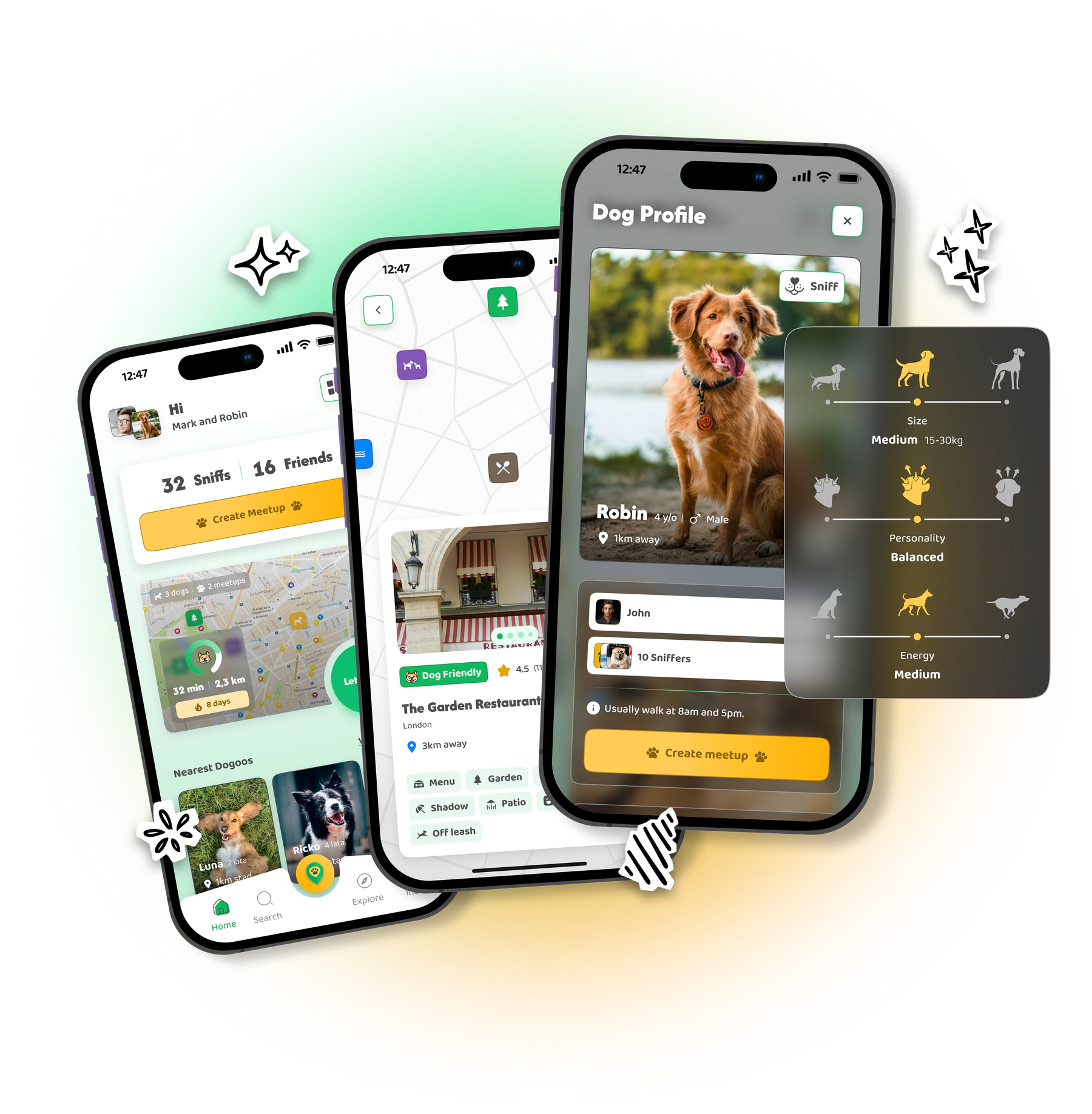
Get out there with your pack. The DogOut map shows off-lead areas, fenced parks, and spots tagged by other owners - find what's nearby and plan your next walk with confidence.
Frequently asked questions
- Why does my dog run away and ignore recall?
- The most common causes are a strong trigger (another animal, the scent of a female in season), insufficient recall training, or a history where returning to you was rarely rewarded enough. Your dog is simply doing what pays off most in that moment.
- Will neutering or spaying stop my dog from running away?
- If the escaping is driven by mating instinct, yes - significantly. Research shows neutering reduces roaming in roughly 90% of male dogs. It has little direct effect on escapes triggered by fear, boredom, or prey drive.
- How do I train a reliable recall?
- Start indoors with no distractions: call your dog in a happy voice, reward every return with a treat and praise, and never punish coming to you (even if it took too long). Gradually move to busier environments. Never call your dog when you know they won't come - every ignored 'come' weakens the cue.
- What should I do when my dog has just bolted?
- Don't chase - it triggers the flight instinct. Sit or crouch, look away, and wait. Many dogs will approach out of curiosity. If the dog is further away, move in the direction of their route and call in a calm, upbeat voice. When they return, reward generously - never scold. Punishment gets linked to coming back, not to running away.
- Does microchipping help recover an escaped dog?
- Yes. Studies show that microchipped dogs are reunited with their owners more than twice as often as non-chipped dogs (around 52% vs around 22% in shelters). The chip only works if registration details are current - make sure your number is up to date.
- Which breeds are most likely to run away?
- Breeds with strong prey drive and wandering instinct: Siberian Husky, Beagle, Jack Russell Terrier, Podenco, Whippet, Shiba Inu. That said, any dog can bolt if the trigger is strong enough or recall training is insufficient.