Dog Scared of Fireworks: A Calm Plan That Actually Works
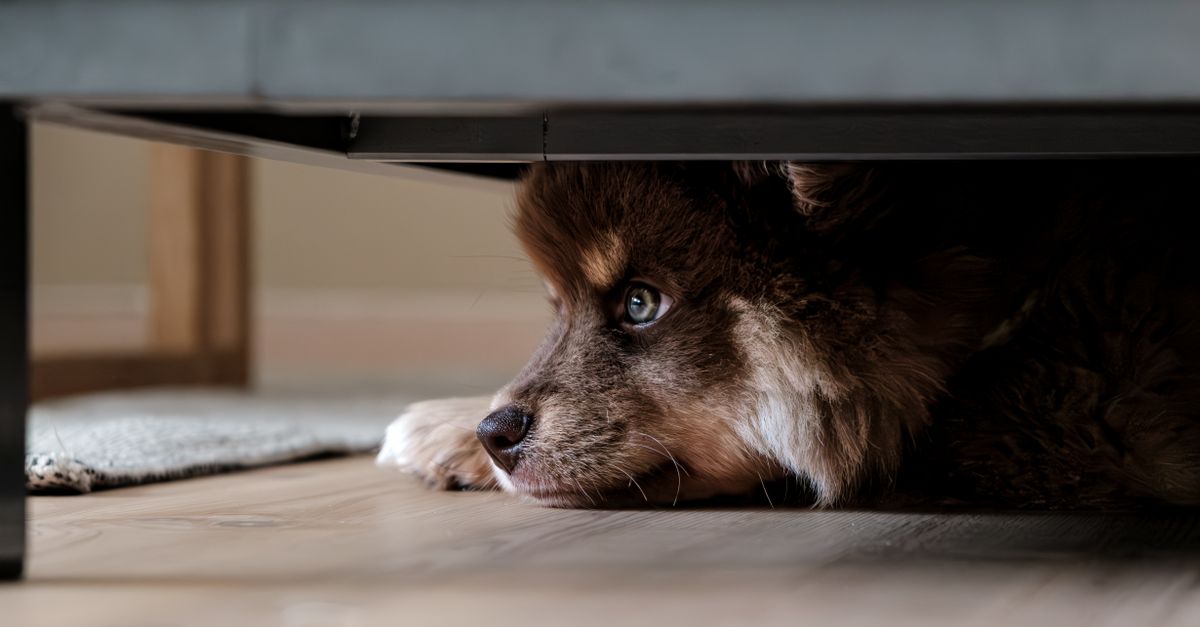
Fear of fireworks and thunderstorms is one of the most common anxieties in dogs. Build a safe den, mask the noise with background sound and closed windows, stay calm and comfort your dog if they seek it - this does not reinforce fear, that is a myth. Long term, you reduce the fear through desensitization and counterconditioning. For severe cases, talk to your vet - calming medication exists - and a qualified behaviorist.
New Year's Eve, a thunderstorm, random fireworks on a Tuesday with no warning. For a lot of dogs that is not noise - it is pure terror. If your dog hides under the bed, shakes, or tries to bolt, they are not being spoiled or disobedient. They are reacting to something they cannot understand or control. The good news: you can genuinely help. The catch: there is no magic button, just a calm plan.
Why are dogs scared of fireworks and storms?
Your dog hears far more than you do and has no idea where the bangs come from. Fireworks bundle every alarming thing at once: sudden loud noise, flashes, vibration, the smell of smoke, and total unpredictability. Your dog has no context that this is just a celebration - to their nervous system it is repeated explosions with no end and no reason.
Storms work the same way, with the added factor of pressure changes and static charge that some dogs sense before you hear the first rumble. That is why a dog can get restless before you even notice the weather turning.
Noise fear often gets worse with age and tends to spread - a dog that once panicked at firecrackers starts reacting to other loud sounds too. So it pays to act early rather than wait for it to magically pass.
What to do right now - getting through a loud night
While the bangs are happening, your job is to lower the stress, not to teach your dog to be brave. Those are two different things.
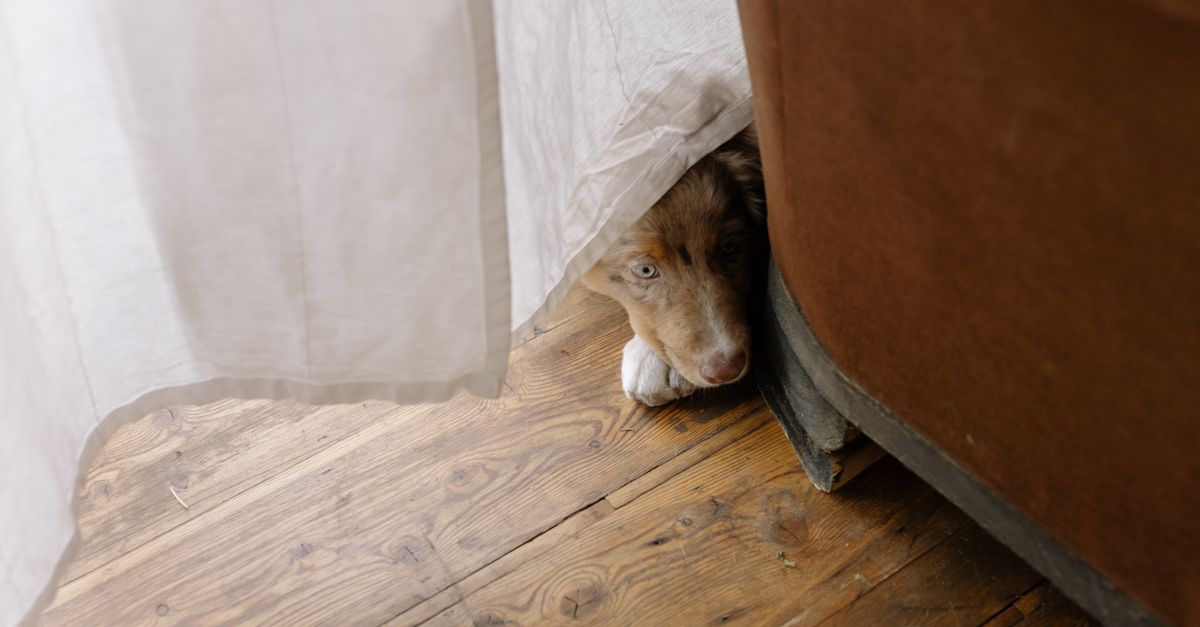
Build a safe den
Frightened dogs look for a small, enclosed space. Give them one before the noise starts:
- pick the quietest room, ideally with no street-facing windows
- add a bed, blankets, favourite toys, and something that smells like you
- dim the lights and close the curtains to block the flashes
- the dog must be able to come and go on their own - a refuge, not a forced crate
If your dog already loves their crate and feels good about it, great - it can make a perfect den. If they do not, never shut them in there for a night of fireworks.
Mask the sound
Steady background noise covers the sharp, sudden bangs. Put on calm music, the TV, a fan, or white noise. Close windows and curtains. The point is to remove the silence between explosions where your dog sits braced for the next one.
Stay calm and comfort them if they seek it
This is the most important point, because for years the advice was the opposite. Comforting a frightened dog does not reinforce their fear - that is a myth long debunked by veterinary behaviorists. You cannot strengthen an emotion by petting. If your dog comes to you for support, give it: a calm voice, your presence, gentle contact if they want it. Your composure genuinely helps your dog regulate their own nervous system.
What to avoid: panic, rushing around, a raised voice, and punishing the dog for being scared. Telling off a spooked dog only deepens the problem. If you want, you can redirect with play or treats - that works far better than any attempt to shush them.
Long-term work on the fear
A loud night is firefighting. Real change happens between seasons, when it is quiet.
Desensitization and counterconditioning
These two methods go hand in hand and have the strongest evidence behind them. In studies, counterconditioning reduced fear in over 70% of dogs.
| Method | What it is | How to start |
|---|---|---|
| Desensitization | Gradual exposure to the trigger at a tiny intensity | Play a firework recording very quietly, so low your dog stays relaxed |
| Counterconditioning | Pairing the sound with something good | At low volume give treats, play, praise - noise means good things happen |
| Combining both | Slowly raise the volume while keeping the positive link | Short sessions, a few minutes a day, only when your dog is calm |
The key rule: never turn the volume up to the point where your dog starts to worry. Drop back to a level where they were relaxed. This is weeks-and-months work, not a single evening.
It also helps to build your dog's everyday confidence. A well-socialized dog used to a variety of sights and sounds handles stress more gently - we cover this in our guide to dog socialization.
Aids that can support the plan
Some dogs respond well to pressure wraps (gentle, even pressure has a calming effect) or synthetic calming pheromones. These are not miracle fixes and results vary, but as part of a wider plan they can help. Choose them with your vet or behaviorist.
When to see your vet and a behaviorist
Home methods are enough for mild and moderate fear. But there are limits you should not push through alone.
Contact your vet if your dog:
- panics violently, tries to escape, destroys things or hurts itself
- drools, shakes, pants and cannot be calmed for hours
- reacts more strongly year after year
For strong fear there are medications - but only on prescription from your vet. A vet may recommend anti-anxiety medication given ahead of the expected event. Never give your dog human medication or sedatives on your own - the choice and dose is a professional's call, and many human drugs are dangerous for dogs. For a deep phobia, a behaviorist's support and a tailored plan make the biggest difference.
Noise fear often travels with other emotional struggles - if your dog also copes badly with being alone or with other animals, take a look at our pieces on dog separation anxiety and what to do when your dog is scared of other dogs.
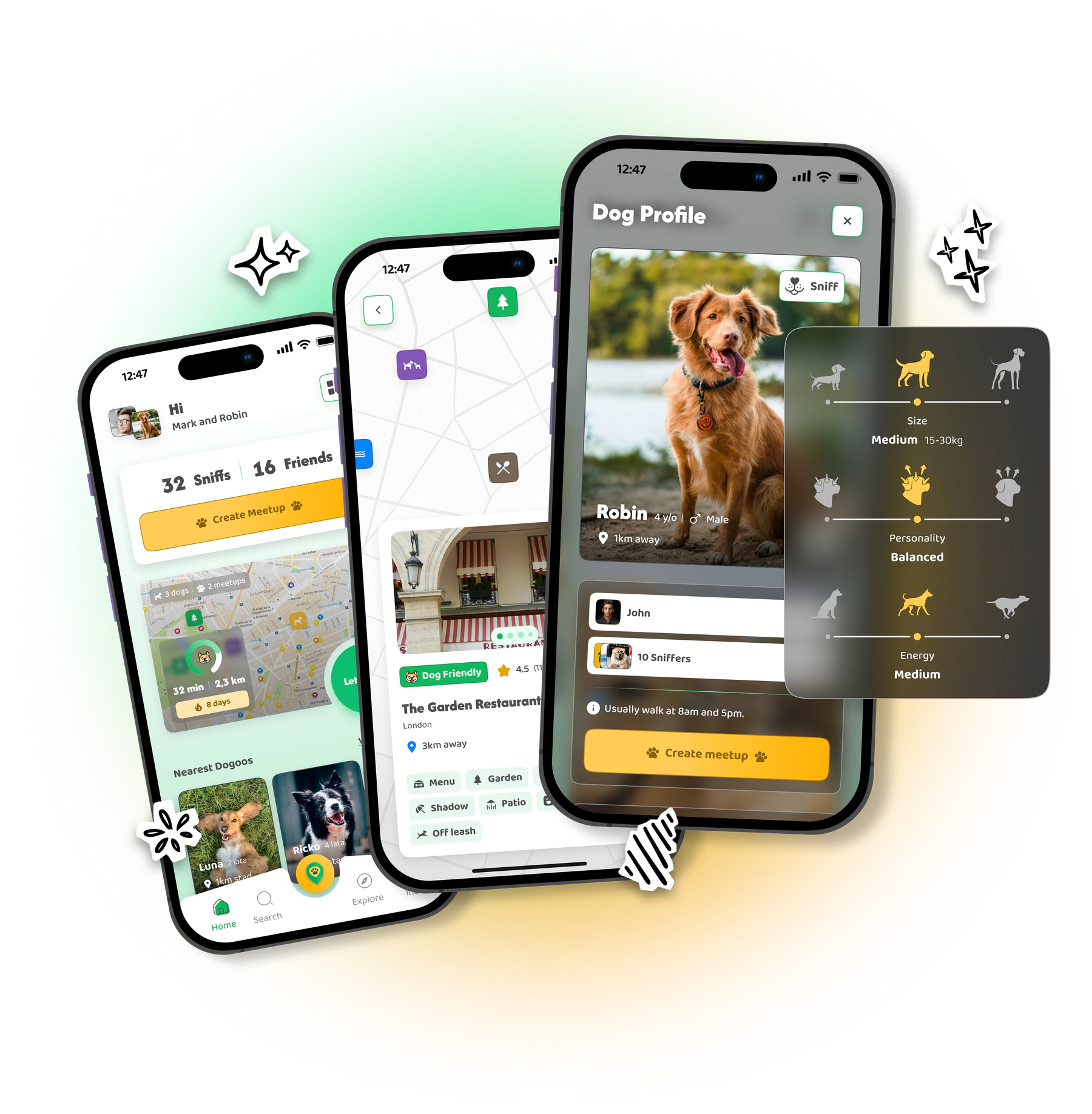
Firework season passes, but normal, calm walks stay. Once it goes quiet, get out with your dog to familiar, safe places and rebuild good associations with the world outside. Check the DogOut map for quiet parks and routes nearby, find people who walk at a similar pace, and let your dog enjoy moving again.
Frequently asked questions
- Does comforting a scared dog reinforce their fear?
- No. This is a widespread myth. You cannot reinforce an emotion with petting or a soft voice. If your dog seeks support during fireworks, you can and should comfort them - your presence helps them settle. Just avoid panicking or making a big anxious fuss yourself.
- How do I set up a safe den for fireworks night?
- Pick the quietest room, ideally with no windows or away from the street. Add a bed, favourite blankets and toys, dim the lights and play quiet music or background noise. Your dog must be able to come and go freely - a den is a refuge, not a place to lock them in.
- Is there medication for a dog afraid of fireworks?
- Yes, but only on prescription from your vet. For strong fear, a vet may recommend anti-anxiety medication given before the expected event. Never give your dog human medication or sedatives on your own - the right drug and dose is a veterinary decision.
- Can you train a dog out of noise fear?
- For many dogs, yes, but it takes weeks to months. You combine desensitization (gradually getting used to a firework recording at very low volume) with counterconditioning (pairing the sound with something good, like treats). For a deep phobia, a behaviorist should guide it.
- My dog pants, drools and shakes during storms. What should I do?
- Those are classic signs of strong fear. In the moment, provide a den, mask the noise and stay close. If the reactions are violent, the dog tries to escape or hurts itself, that is your cue to involve your vet and a behaviorist - home work alone may not be enough.
- Do anxiety wraps and pheromones help with fireworks fear?
- For some dogs, yes, as part of a wider plan. Pressure wraps and synthetic calming pheromones can help, but results vary and they do not replace a den, calm handling and real work on the fear. Choose them with your vet or behaviorist.