Walking a Puppy: When to Start, How Long, and What to Watch For
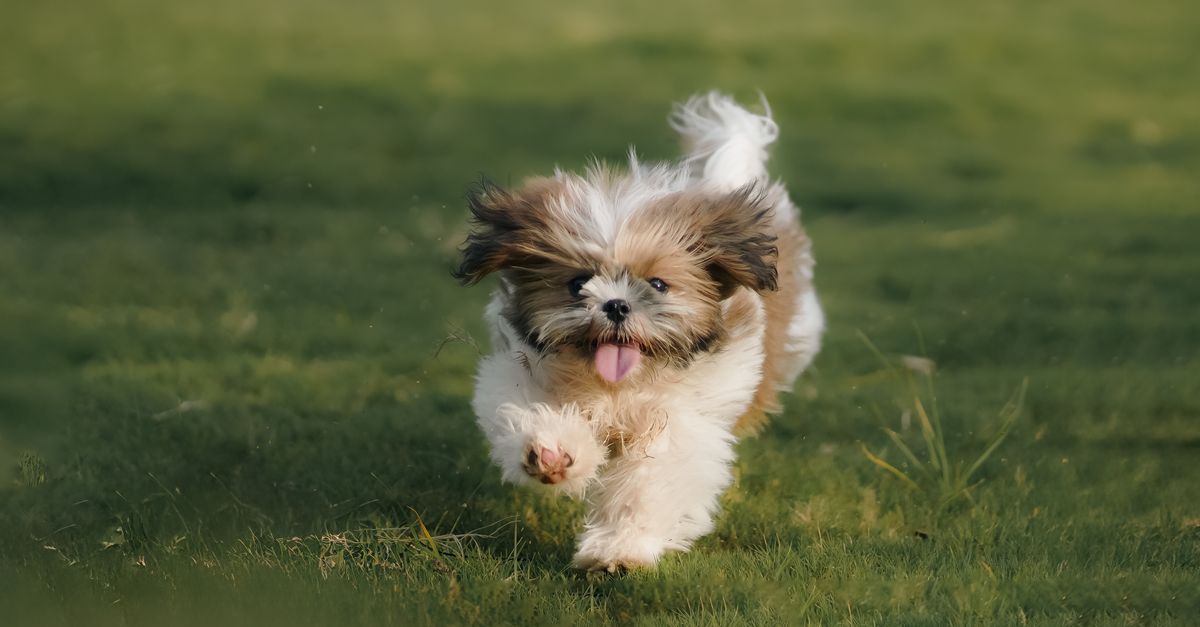
Most puppies can start short, gentle walks in public once their vaccination series is complete and full protection has built up - typically a week or two after the final vaccine, usually around 12-14 weeks of age. Always confirm the timing with your vet. Keep walks short: the common guideline is about 5 minutes per month of age, twice a day. Puppy joints are still developing, so avoid long distances, jumping, and hard surfaces.
Bringing a puppy home is exciting. Taking it outside for the first time should be exciting too - but it's also a moment where the right approach matters more than most owners realise. Young joints, unfinished vaccinations, and a brain on sensory overdrive all shape what a healthy first walk looks like.
Here's what you need to know.
When can a puppy go for walks?
The short answer: once it's protected. A puppy's vaccination series typically finishes around 10-12 weeks, but full immunity takes another one to two weeks to build. That puts the safe window for public walks at around 12-14 weeks, though this varies by vaccine schedule and where you live.
The key risk is parvovirus - a serious illness transmitted by infected dogs or contaminated ground. Any area where unknown dogs have been could carry it. Your vet knows your puppy's specific schedule and local disease pressure, so treat their advice as the final word, not this article.
That said, waiting doesn't mean doing nothing. The socialization window - roughly 3 to 12 weeks - is one of the most critical periods in a dog's development. A puppy that sees nothing new during this window is more likely to grow into a fearful or reactive adult. You can work around the vaccination gap safely:
- Carry your puppy to sit on a bench near a busy street, a park entrance, or a market. It observes the world without touching the ground.
- Visit friends with vaccinated, healthy dogs in a known environment.
- Invite people over - different ages, appearances, and voices all count as socialization.
None of that replaces proper walks once the vaccine window closes. But it means the clock is running even before the first lead goes on. For more on why this matters, see our article on dog socialization.
How long should puppy walks be?
The "5 minutes per month of age, twice a day" rule of thumb is the most widely used guideline - and it's a sensible starting point:
| Puppy age | Guideline walk time (per session) | Sessions per day |
|---|---|---|
| 2 months (8 weeks) | ~10 min | 2 |
| 3 months (12 weeks) | ~15 min | 2 |
| 4 months (16 weeks) | ~20 min | 2 |
| 5 months (20 weeks) | ~25 min | 2 |
| 6 months (24 weeks) | ~30 min | 2 |
Treat these numbers as a ceiling, not a target. A tired puppy that's flopped on the pavement has told you it's done - pick it up or turn back, regardless of what the table says. On the other side, a high-energy puppy that arrives home and immediately starts bounding around the furniture probably needs a bit more.
As your puppy grows, gradually extend walks. By the time most puppies reach 6 months they're ready for longer outings - but how much walking a dog needs as an adult still depends heavily on breed.
Why young joints need protecting
Puppies are not small adult dogs. Their growth plates - the soft tissue at the ends of the long bones where new bone is formed - remain open and vulnerable until the bones stop growing. Close a growth plate too early through repeated stress and you risk permanent damage: angular deformities, lameness, and early arthritis.
Growth plates typically close between 12 and 18 months, depending on breed size. Large and giant breeds are at the far end of that range - a Great Dane's joints may not be mature until 18 months or later.
What to avoid on puppy walks:
- Repetitive jumping - off furniture, out of cars, over obstacles on every outing
- Running on hard surfaces for extended distances - pavement and concrete are the highest-impact
- Very long distances, even if the puppy "seems fine" at the time; joint fatigue shows up later
- Forced fetch on pavement - the stop-and-pivot movement under speed is high-impact
What's fine:
- Meandering sniffs at their own pace
- Gentle play on grass
- Short, varied routes
- Gradual distance increases as the puppy matures
If you're unsure about what's appropriate for your specific breed, ask your vet or a qualified canine physiotherapist - especially for large breeds.
What the first walk should feel like
Calm. Unhurried. Full of stopping.
A puppy's nose is processing more information in one sniff than you take in from a whole street. Let it sniff. Let it sit and stare at a pigeon for 30 seconds. Don't drag it forward. The goal of the first walk isn't exercise - it's positive first impressions of the world outside.
Expect your puppy to:
- Freeze and plant its feet when something surprises it
- Be startled by sounds, vehicles, or strangers
- Get tired quickly and suddenly
All of this is normal. Stay relaxed, use a cheerful voice, and never force movement towards something that frightens it. Calm confidence from you helps your puppy calibrate whether the world is safe.
If the lead itself is new, start the habit at home first - clip it on during indoor play so the sensation isn't the first novelty your puppy encounters on the street. Check our article on loose-leash walking when you're ready to start building good lead habits.
What to bring on a puppy walk
- A well-fitted harness or flat collar (harnesses are gentler on the neck for young pups)
- High-value treats - the outside world is full of distractions; dry kibble usually loses
- A water bottle if it's warm - puppies overheat faster than adult dogs
- Patience - the 15-minute walk may take 30 minutes of real time
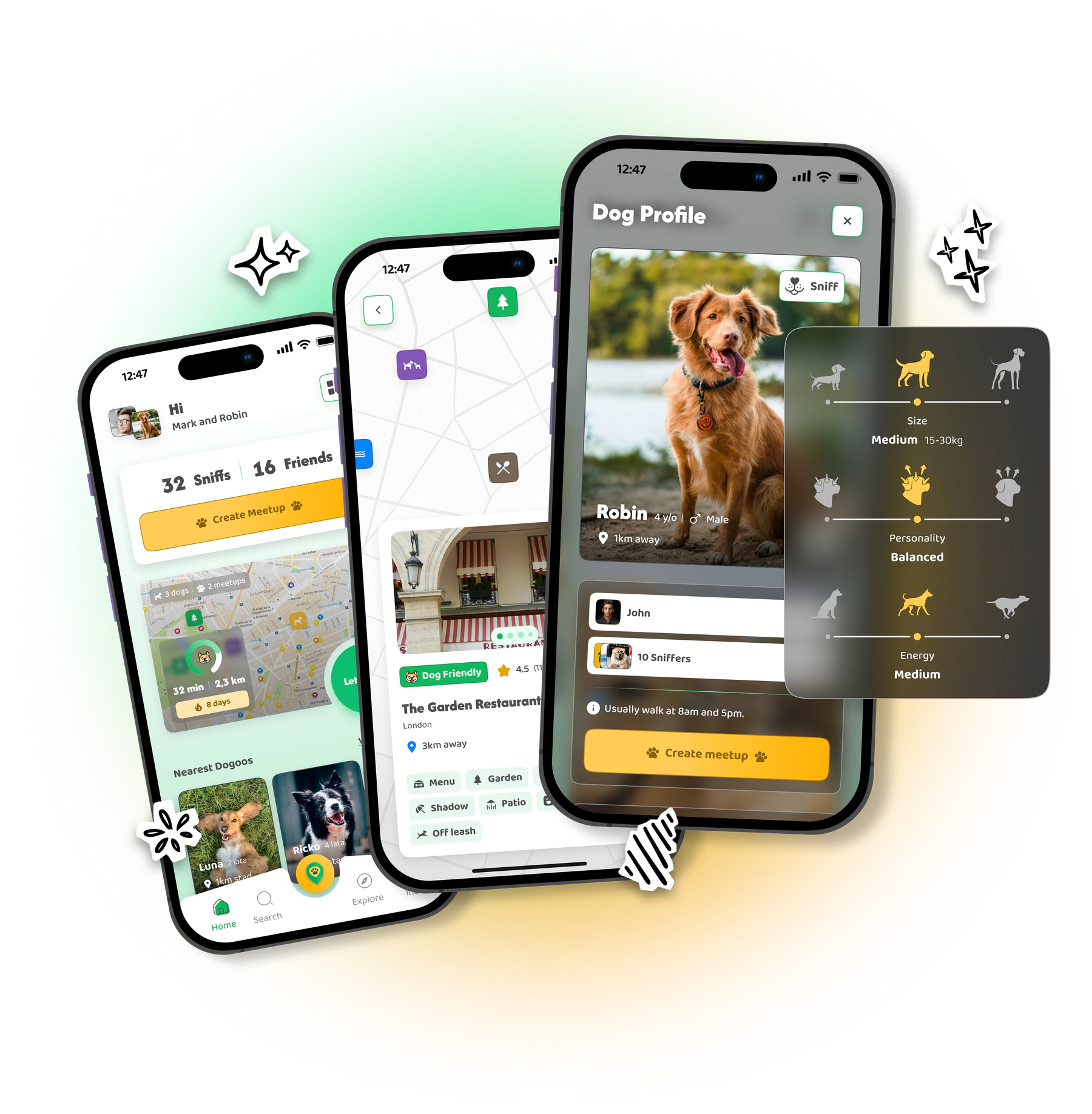
A puppy's first walks set the tone for everything that follows. Keep them short, keep them positive, and let your puppy lead the pace. As your puppy grows more confident, choosing quieter parks, trails, and dog-friendly spots becomes easier with a dedicated guide - see where to take your dog for ideas. Use DOGOUT to find quieter green spaces and routes other owners have marked as puppy-friendly near you - because a calm first experience with the outdoors is the best foundation you can give.
Frequently asked questions
- When can I take my puppy for its first walk outside?
- Most vets advise waiting until full protection has built up after the final vaccination - usually 1-2 weeks after the last jab, which typically falls around 12-14 weeks of age. Your vet knows your puppy's schedule, so always check with them before walking in areas where unknown dogs have been.
- How long should I walk a puppy?
- The widely used guideline is 5 minutes of exercise per month of age, twice a day. A 3-month-old puppy gets about 15 minutes per session; a 5-month-old, about 25. Treat this as a rough guide - let your puppy's energy and comfort lead you, and stop before it shows signs of tiredness.
- What if my puppy seems full of energy after a short walk?
- Short walks don't have to be the only stimulation. Indoor play, gentle training sessions, and sniffing games all burn energy without stressing joints. Puppies also need a lot of sleep - bursts of energy between naps are normal and healthy.
- Can I socialise my puppy before it's fully vaccinated?
- Yes, carefully. Carrying your puppy to observe the street, visits to friends' confirmed vaccinated dogs, and controlled environments with healthy dogs are all reasonable before the vaccine series is complete. The socialisation window (roughly 3-12 weeks) is critical, so safe exposure is worth prioritising - just minimise contact with unknown dogs and high-traffic areas.
- Is it bad to let my puppy run and jump freely on walks?
- Repetitive jumping, running on hard surfaces, and very long distances put strain on growth plates that haven't yet closed. This matters most in large and giant breeds, where growth plates can remain open until 18 months or more. On walks, let your puppy move naturally but avoid activities that involve a lot of impact or sudden directional changes on hard ground.
- My puppy hates wearing a collar and lead - what do I do?
- Start at home. Let your puppy wear the collar for short periods during play. Attach the lead and let it drag it around the house before you hold the other end. Use treats and calm encouragement. Check our article on loose-leash walking for step-by-step guidance once the basics feel comfortable.