Dog Won't Listen Outside - the Real Reason and How to Fix It
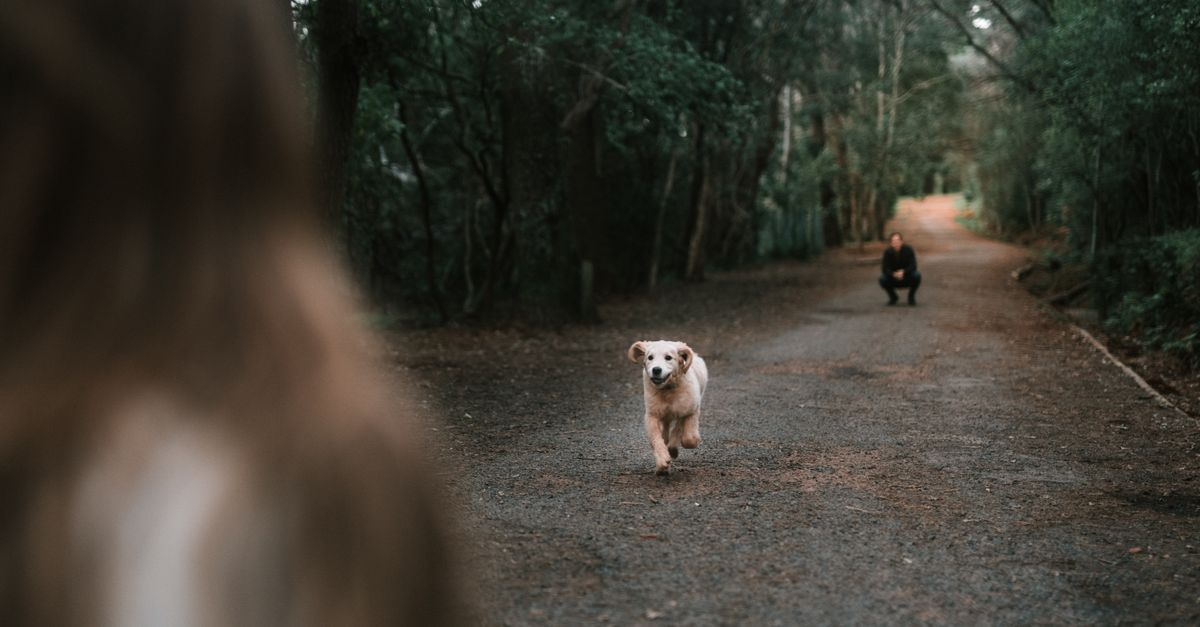
A dog that obeys indoors but ignores you outside hasn't learned that commands apply everywhere - this is called a lack of generalization. The outdoor environment is far richer in stimulation than your living room, so smells, sounds and other dogs out-compete your voice. The fix is to gradually proof each behaviour in progressively more distracting places, using higher-value rewards than anything the environment can offer.
Your dog sits on command the moment you ask in the living room. Take that same dog to the park and it's as if you don't exist. This is one of the most common frustrations in dog ownership - and it has a completely logical explanation.
Why your dog listens inside but not out
Dogs don't generalize behaviour automatically. The 'come' cue your dog learned in the kitchen - with repetition, with treats, with genuine effort - is, to your dog, tied to that specific environment. A park is an entirely different context: different smells, different sounds, a much higher level of emotional arousal.
Your dog isn't being stubborn. They simply don't know yet that the rule applies here too.
Then there's the reward competition problem. A kibble from your pocket was unbeatable at home because it had no rivals. Outside, that same kibble has to beat the scent of a fox trail, the sight of a squirrel, and the sound of another dog barking two fields over. For most dogs, the kibble loses - until you upgrade the offer.
Three pillars of outdoor training
1. Build distraction levels gradually
Don't start practising recall at the dog park. Work up through environments:
| Environment | Distraction level | Example |
|---|---|---|
| Home or garden | Very low | Living room, back garden |
| Quiet street early morning | Low | Residential path before 8 am |
| Empty park | Medium | Grass area after 7 pm |
| Park with distant dogs | High | Popular walking route |
| Busy dog park or event | Very high | Weekend market, off-lead area at peak time |
Start every new command at a level where your dog can respond correctly on the first ask. If you need to repeat yourself, the environment is too demanding for this stage of training.
2. Rewards that beat the environment
Upgrade your rewards for outdoor sessions. Cooked chicken, small cubes of cheese, a piece of sausage - whatever your dog considers the best thing in the world. The reward has to be genuinely worth interrupting a sniff session or ignoring another dog. Don't scrimp on training treats; a reliable recall can one day prevent a serious accident.
For dogs driven by play rather than food, a short game of tug or a thrown ball can be far more motivating than any treat. Find out what your dog's currency is and use it.
3. Short sessions with full focus
Five focused minutes of training outside is worth more than thirty minutes of your dog wandering around half-ignoring you. Set a clear goal for each session - for example, three successful recalls from 5 metres in a low-distraction spot - and finish when you hit it. Ending on success builds positive associations and keeps both of you motivated for the next session.
If you want to build a solid recall from the ground up, read how to teach your dog to come when called - it's the foundation of any safe off-lead walk.
The long line - your bridge to freedom
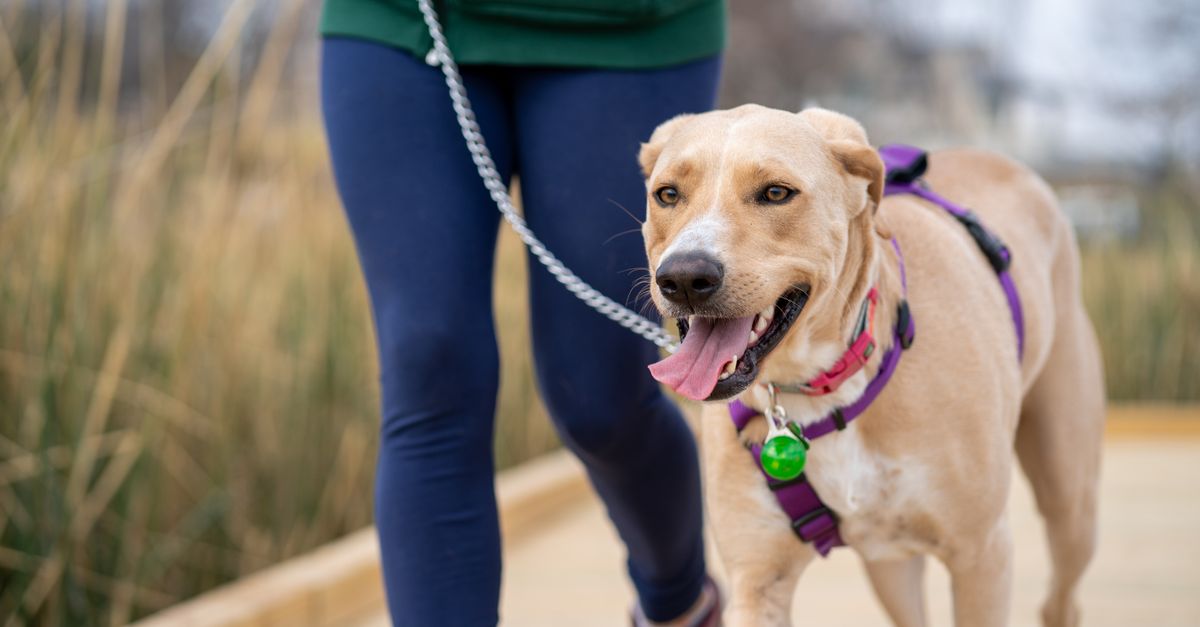
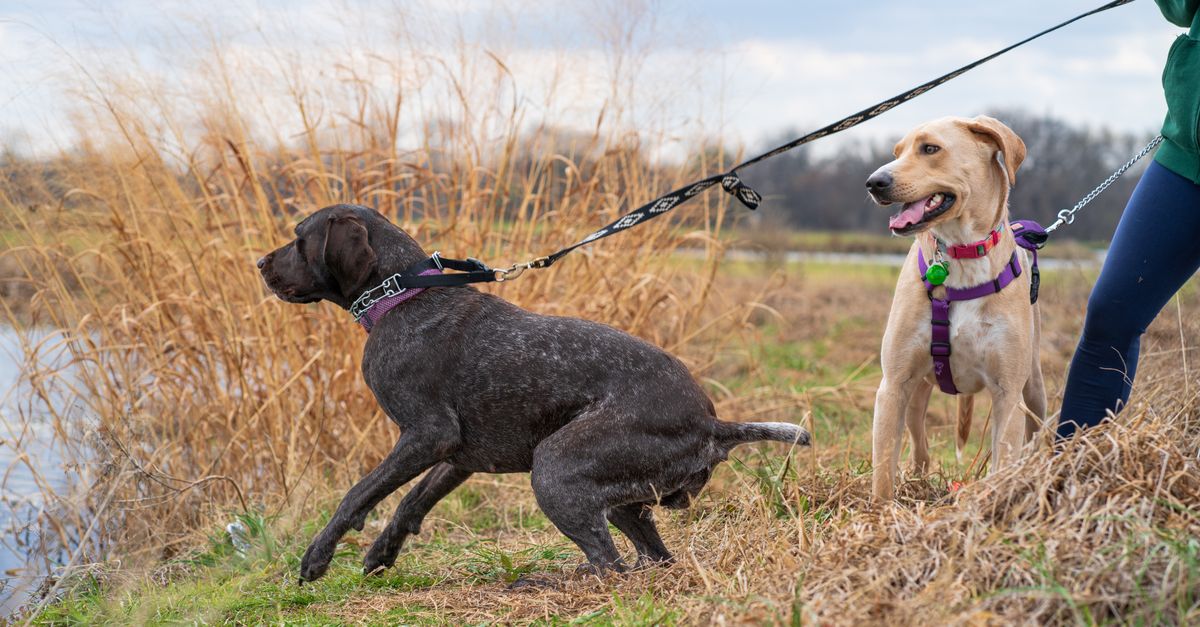
A long line (5-10 metres) gives your dog space to explore while keeping you in control. With a long line you can:
- Practise recall from realistic distances with no risk of your dog bolting
- Allow sniffing and exploration that are essential for your dog's mental wellbeing
- Calmly step in before your dog hits a situation that overwhelms them
This isn't a permanent solution - it's a safe stepping stone between on-lead work and the confidence that your dog will come back to you in any situation. For more on teaching relaxed walking, see loose leash walking.
When the problem runs deeper
If your dog doesn't just ignore commands outside but also barks at other dogs, lunges towards them, or shows clear signs of stress - that's a different challenge from basic obedience. It's likely reactivity or fear, not a training gap.
The article on dog socialization explains where oversensitivity to stimuli comes from and how to work through it gradually. For stronger reactions, consult a certified animal behaviourist sooner rather than later.
Common mistakes to avoid
- Don't repeat the cue multiple times. If your dog doesn't respond to 'come' once, repeating it teaches them that ignoring is acceptable. Step back to an easier environment instead.
- Never punish a slow recall. A dog that eventually comes to you has done the right thing - reward it, even if they took 45 seconds to decide. Punishment poisons the recall cue.
- Don't train only at home. If all practice happens in the living room, the living room is where the behaviour exists. Vary locations from the very start of training, even if that just means a different room or the front doorstep.
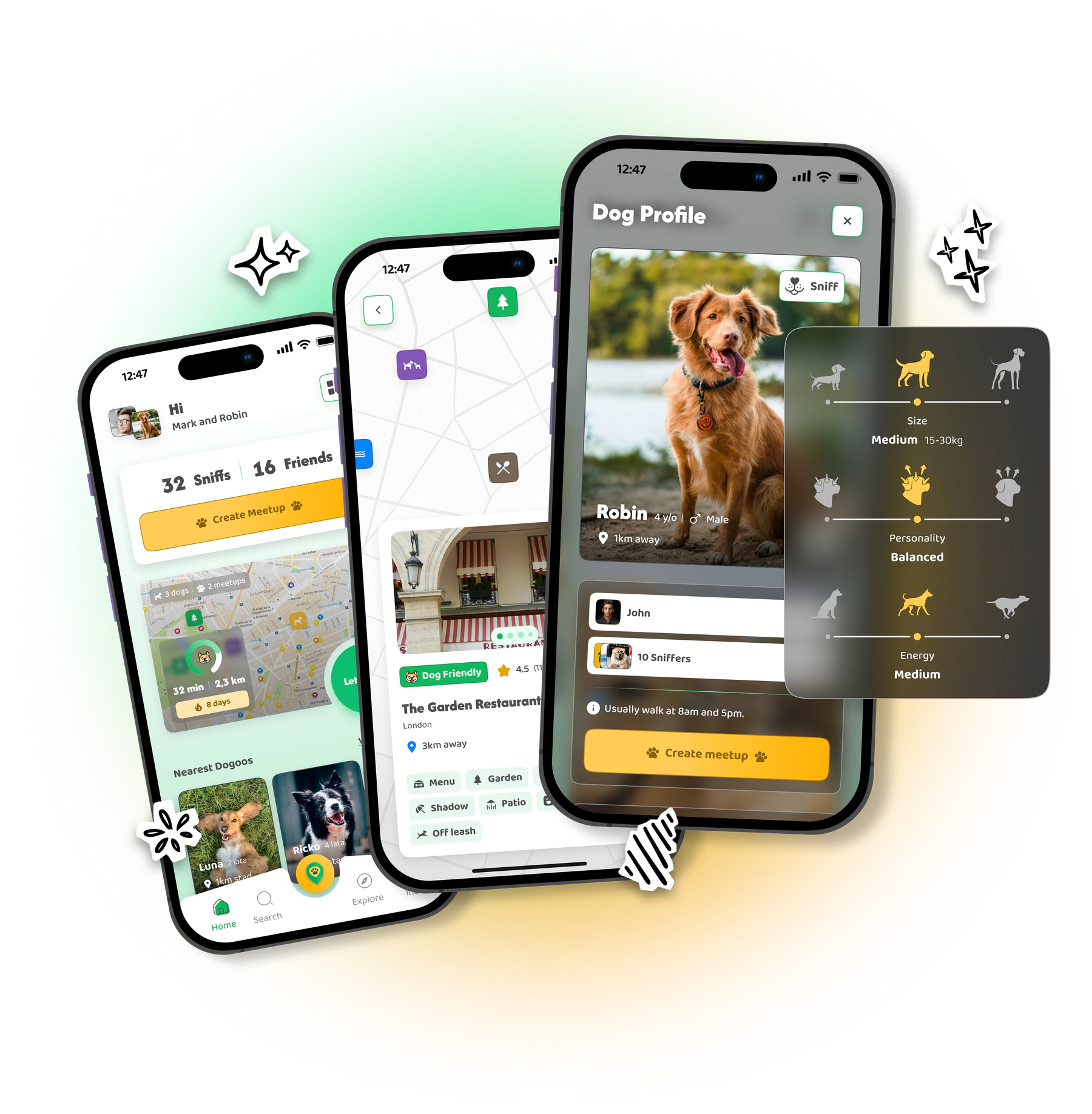
Get out there. The pack is waiting. Use the DogOut map to find quiet parks, off-lead areas, and spots flagged by other owners - perfect for your next low-distraction training session before you work up to the busy stuff.
Frequently asked questions
- Why does my dog listen at home but not outside?
- Dogs are contextual learners - they learn a command in a specific setting and don't automatically transfer it to new environments. A park is a completely different context to your kitchen. On top of that, the reward you offer has to compete with every smell, sight, and sound the outdoors provides.
- Is my dog ignoring me outside because of dominance?
- No. Ignoring commands outdoors is the result of under-proofed behaviour, not a power grab. Modern animal behaviour science does not support dominance theory as an explanation for typical training problems.
- How long will it take before my dog listens reliably outside?
- It depends on the dog and how much generalization is missing. Most owners notice clear improvement within 2-4 weeks of consistent training in varied locations. Frequency matters more than duration - several short sessions a week beats one long session.
- Should I use a long line when training outside?
- Yes. A long line of 5-10 metres gives your dog freedom to explore while keeping you in control. It is an excellent bridge between on-leash obedience and a reliable off-leash recall.
- What treats should I use when training outside?
- Use significantly higher-value rewards than you use indoors. If plain kibble works at home, bring cooked chicken, cheese, or a small piece of sausage outside. The reward must be worth more to your dog than whatever the environment is offering.
- When should I call in a trainer or behaviourist?
- If you see no progress after a few weeks of consistent work, or if your dog shows reactivity, fear, or aggression outdoors, consult a certified trainer or animal behaviourist. Early intervention is far more effective than waiting.