Dogtrekking with a Dog - Complete Beginner's Guide
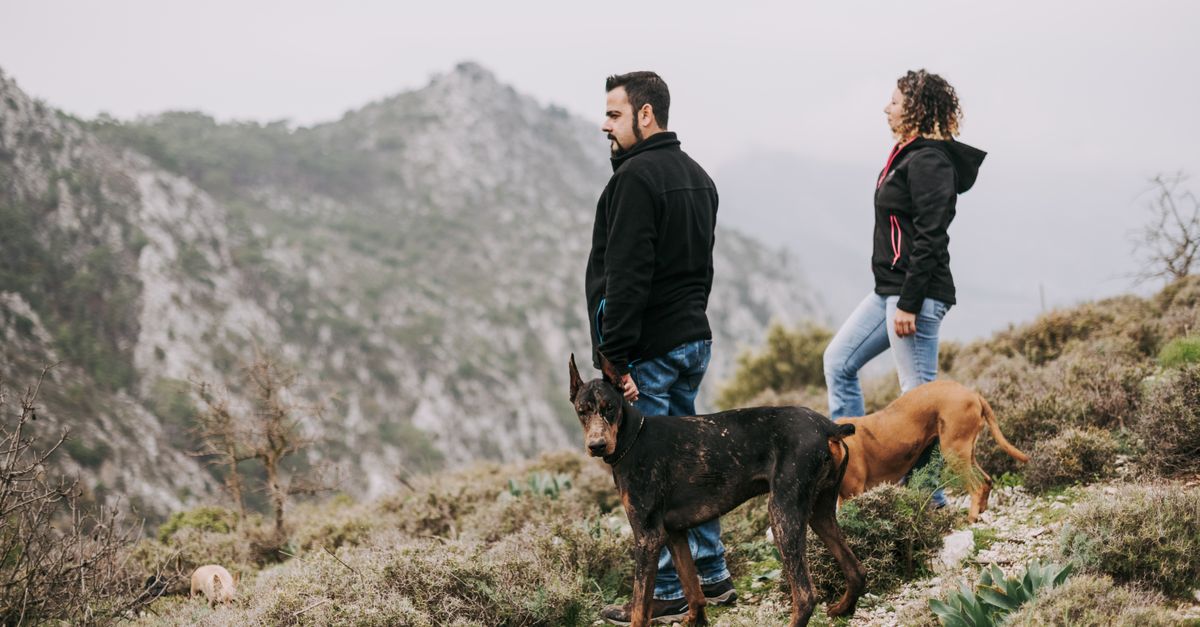
Dogtrekking is a long-distance hike where your dog is attached to your hip belt via a bungee leash, forming a two-member team. Dogs must be at least one year old, healthy, and have solid basic obedience. Build up gradually over a minimum of 8-10 weeks before tackling a serious route.
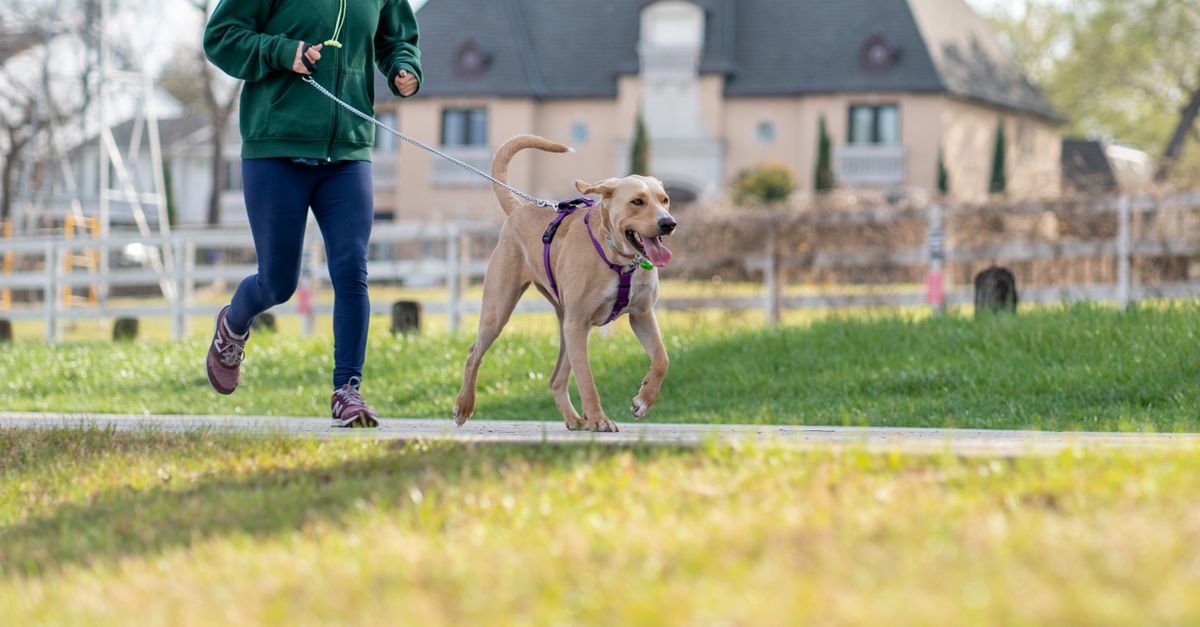
Picture a few hours moving through a forest, mountain meadows, or coastal dunes - with your dog not on a lead in your hand, but clipped via a bungee leash to your hip belt. Both of you in motion, both focused on the trail ahead. That is dogtrekking - one of the most complete activities you can do together with your dog.
What is dogtrekking?
Dogtrekking is a long-distance cross-terrain hike in which the handler and dog move as a sporting team. The dog is not on a traditional hand-held lead - instead, it is connected by a bungee leash attached to a hip belt. This keeps both hands free and absorbs sudden pulls.
Recreational distances start from a few kilometres. In competition, routes range from 15 to 40 km or more. In Poland, the Polish Dogtrekking Cup is held across multiple rounds in regions such as Bieszczady and the Beskid mountains.
Dogtrekking differs from running with your dog in pace and focus - it is a sustained hike or brisk march rather than a sprint, built around shared endurance.
Which dogs suit dogtrekking?
Not every dog will thrive on a multi-hour trail. Best-suited types:
| Dog type | Example breeds |
|---|---|
| Herding and working dogs | Border collie, Australian shepherd, Malinois |
| Nordic breeds | Siberian Husky, Alaskan Malamute, Samoyed |
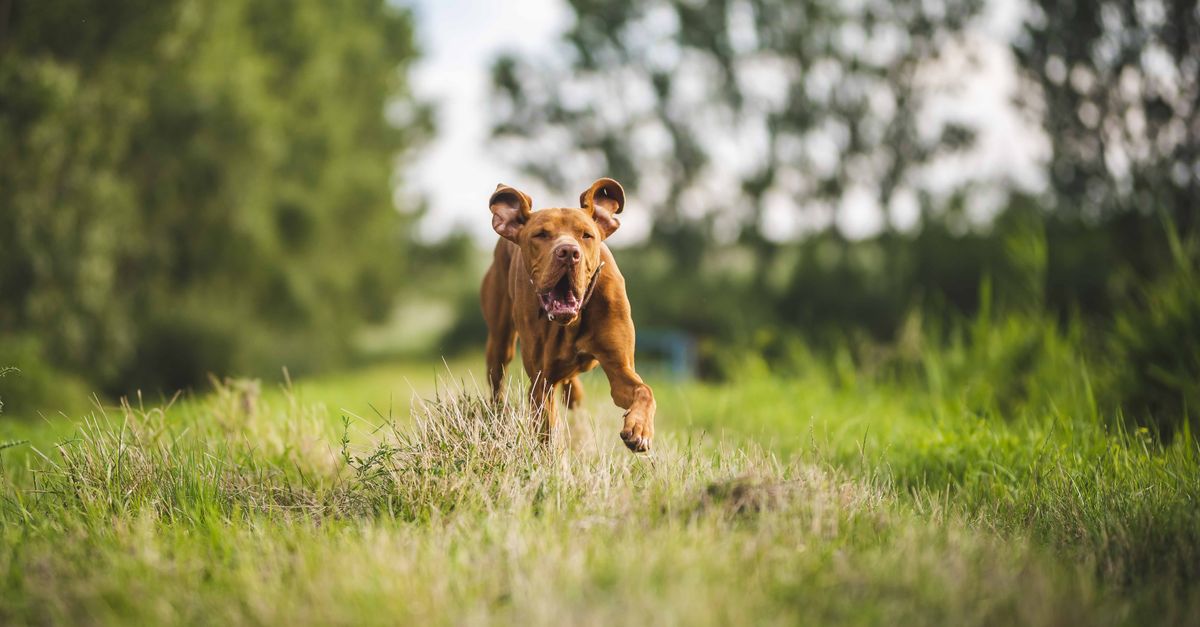
| Hunting dogs | Vizsla, Pointer, Labrador |
| High-energy mixed breeds | Depends on individual temperament |
Brachycephalic dogs (pugs, French bulldogs, boxers) have limited respiratory capacity - sustained effort in warm weather can be dangerous for them. Always consult your vet before starting a training programme, especially if your dog is older or has had joint issues.
Health requirements before you start
Before hitting the trail, confirm three things:
- Age - dogs should be at least one year old. Large breeds may need up to 18-24 months before their skeletal system is fully mature. Overloading joints too early risks dysplasia and other injuries.
- Vaccinations and parasite control - your dog must be up to date on vaccinations (including rabies), dewormed, and protected against ticks. Tick exposure is high on mountain trails with dogs - keep prevention current.
- Vet check - before your first serious season, run basic bloodwork and a musculoskeletal assessment. Official competitions require an on-site veterinary check before each start.
Essential gear - what to buy?
You do not need expensive equipment to start, but a few items are non-negotiable:
For the dog:
- Sports harness - guard type (no chest restriction) or sled type for active pulling. Must fit closely without rubbing under the armpits
- Collapsible bowl and a water supply
- Basic first-aid kit including paw bandages
- Optional: paw protectors for rough or rocky terrain
For the handler:
- Hip belt with attachment point for the leash
- Bungee leash - absorbs jerks, protects your spine and the dog's neck
- Solid trail shoes
- Map or GPS navigation - official routes require basic orienteering skills
How to condition your dog for dogtrekking
Fitness does not come overnight. A realistic plan over 8-10 weeks minimum:
Weeks 1-3: Extend daily walks gradually - add 15-20 minutes per session, three to four times a week. Watch for signs of tiredness after returning home.
Weeks 4-6: Introduce varied terrain - grass, sand, light woodland. Start practising with the hip belt and bungee leash in a local park. Your dog needs to get used to the new gear before adding distance. This is also a good stage to work on loose-leash walking fundamentals.
Weeks 7-10: First longer routes (5-8 km) with full gear. Match pace to your dog, not to your personal goals.
One key rule: one recovery day after every hard session. Muscles strengthen during rest, not during effort.
Signs of fatigue - when to stop
Your dog cannot tell you directly when it is done. Watch for:
- Slowing down or stopping - do not pull the leash; rest immediately
- Open-mouth panting on a cool day - possible overheating
- Limping - check paws for abrasions, blisters, or embedded stones
- Refusing water - can paradoxically indicate dehydration or nausea after excessive effort
Stop, offer water, and rest. No route is worth your dog's health.
Dogtrekking destinations - where to go
You do not need to enter a competition to enjoy dogtrekking. Good starting regions in Poland include:
- Bieszczady - wide open trails, low crowds, highly dog-friendly
- Beskid Sadecki and Niski - accessible routes, moderate terrain
- Roztocze - ideal for beginners, gently rolling landscape
- Mazovian and Wielkopolska forests - close to major cities, great for weekly training sessions
Note: Tatra National Park restricts dogs on most trails. Always verify current regulations before visiting any protected area. The DOGOUT map flags dog-friendly spots and lets other users add notes about trail conditions.
Dogtrekking turns an ordinary walk into something both of you will remember. Before you plan your first real route, open the DOGOUT map and see what trails and dog-friendly areas are nearby - and whether anyone from your area is already out there training.
Frequently asked questions
- What age can a dog start dogtrekking?
- Official competitions require dogs to be at least one year old. For recreational dogtrekking, wait until your dog's skeletal system is fully developed - around 10-12 months for small breeds, up to 18-24 months for large breeds. Always check with your vet before starting intense trail training.
- What equipment do I need for dogtrekking?
- The essentials are: a sports harness (guard or sled type) for your dog, a bungee leash, and a hip belt for you. Useful extras: a collapsible bowl, water, a first-aid kit, and a headlamp. For longer routes, consider paw protectors for rough terrain.
- What dog breeds suit dogtrekking best?
- Active dogs with high endurance do best - herding breeds, hunting dogs, Nordic breeds like Husky or Samoyed. Breed matters less than overall fitness and temperament. Brachycephalic breeds (pugs, French bulldogs) can struggle with breathing during sustained effort.
- How long does dogtrekking preparation take?
- Allow a minimum of 8-10 weeks of systematic conditioning. Start by gradually lengthening daily walks, then introduce varied terrain, and finally add full gear and longer distances. Rushing conditioning is the most common cause of trail injuries.
- Is dogtrekking the same as hiking with a dog?
- Not exactly. In dogtrekking, the dog is connected to your hip belt via a bungee leash - you and your dog form an active team. It is more structured than a casual hike: the dog moves alongside or slightly ahead, distances are longer, and pace is deliberately controlled for endurance.
- Where are the best dogtrekking spots in Poland?
- The Bieszczady mountains host the Polish Dogtrekking Cup and have dog-friendly trails throughout. The Beskid range, Roztocze region, and Mazovian forests are also popular for training. Always check current rules before entering national parks, as some have restrictions on dogs.