Great Dane Temperament - The Gentle Giant, Explained
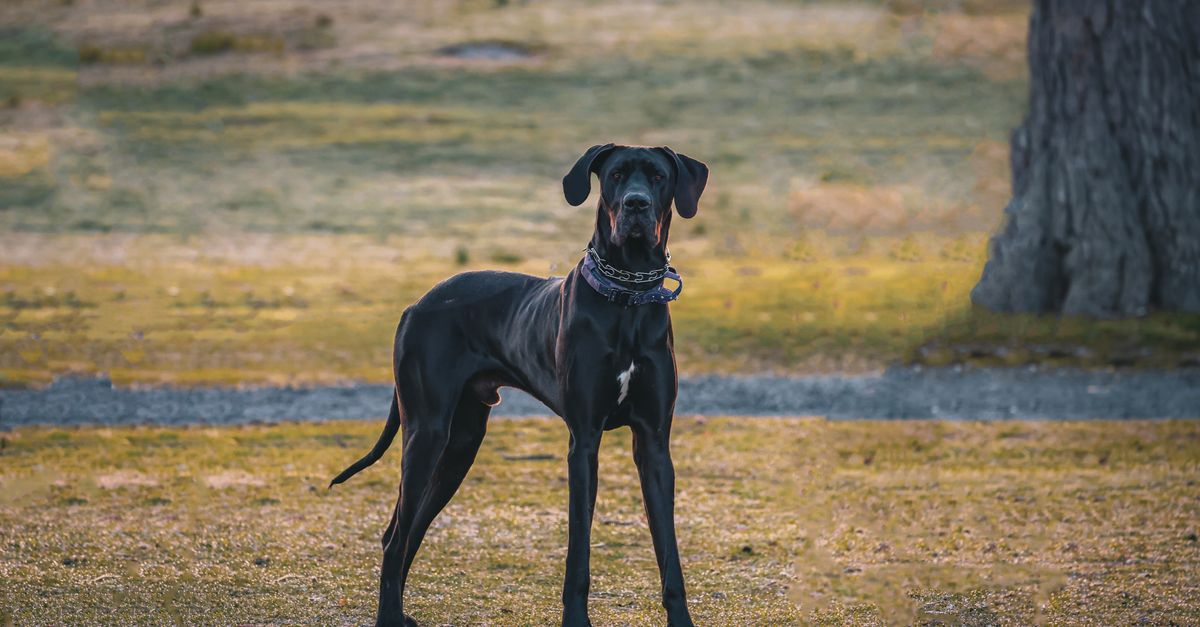
Great Dane temperament is best summed up by the breed's nickname - the gentle giant. Despite their huge size, Great Danes are typically calm indoors, deeply attached to their family, and rarely confrontational with people or other dogs once properly socialized. Adults weigh anywhere from 100 to over 200 pounds, and with good care they live an average of 7-10 years - shorter than most smaller breeds, which is worth weighing before you commit to bringing one home.
A Great Dane makes an impression before it even makes a sound - the sheer size does the talking. But Great Dane temperament surprises people who expect a dog just as dominant as its frame suggests. In practice, this is one of the calmest giants among dog breeds, though - as with any dog - a lot comes down to socialization, upbringing, and daily exercise.
What is Great Dane temperament really like?
Breeders and behaviorists sum up the Great Dane with one phrase: the gentle giant. That's not a marketing line - Great Danes really do combine enormous physical strength with a surprisingly soft-hearted disposition toward their household. Defining traits of the breed:
- Deep attachment to family - a Great Dane likes to stay close to its owner even indoors, and despite its size will happily lean against you on the couch or camp by your feet.
- Calm indoors - despite needing real exercise outside, Great Danes are often surprisingly composed and low-key inside the home.
- Alertness, not aggression - they'll react to strangers or unusual sounds, but rarely escalate straight to confrontation.
- Sensitivity to household atmosphere - Great Danes don't do well with tension, raised voices, or chaos, and thrive in a calm, predictable environment.
- Moderate energy for their size - they need walks and movement, but aren't as high-drive as, say, a German Shepherd - see our guide on German Shepherd temperament for a breed with a very different energy level.
Socialization from puppyhood matters enormously here. A Great Dane exposed early to different people, dogs, and situations usually grows into a confident, well-balanced adult. Skipping socialization with a dog this large isn't a minor training gap - it becomes a real logistical challenge on every walk.
Size, weight, and appearance - just how big does a Great Dane get?
The Great Dane is one of the tallest dog breeds in the world, alongside giants like the Saint Bernard or the Maremma. Typical figures:
| Measurement | Typical value |
|---|---|
| Shoulder height (male) | 30-32 in |
| Shoulder height (female) | 28-30 in |
| Adult weight | 100-200 lb |
| Coat colors | fawn, blue, black, harlequin, mantle, brindle |
| Life expectancy | 7-10 years |
That size shapes day-to-day care directly - bigger food portions, a sturdier and wider bed, serious leash and harness gear, and more room in the car and at home. This is one of the breeds where it genuinely pays to run the real numbers before adopting - our guide on large dog breeds breaks down what to expect across giant breeds in general.
Why do Great Danes have a shorter lifespan than small breeds?
This is one of the most common questions from prospective owners. The shorter average Great Dane lifespan - typically 7-10 years, sometimes less - comes down mostly to sheer body size. Large dog breeds generally live shorter lives than small ones, and a giant's heart and joints carry a heavier load across their whole life.
Common health concerns in the breed include heart conditions (including dilated cardiomyopathy), hip and elbow dysplasia, joint issues linked to rapid growth during puppyhood, and bloat - a life-threatening condition that deep-chested, giant breeds are especially prone to. Regular vet checkups, careful management of a puppy's growth rate, and keeping an adult dog at a healthy weight are the most effective ways to support long-term health. If you're still deciding whether this breed - or a giant breed in general - is the right fit, our guide on how to choose a dog breed is a good next stop.
Socializing and training a Great Dane
With a dog that can weigh as much as an adult human once grown, training isn't optional polish - it's the foundation of living safely with the breed. Key priorities:
- Start basic commands as early as possible, before the puppy grows large enough to physically overpower you.
- Teach calm leash walking from the very first walks - an adult Great Dane pulling on a leash is a genuine risk of pulling its owner off balance.
- Socialize with different people, children, and dogs at a manageable pace, without overwhelming the puppy with too much at once.
- Keep the home environment calm and low-stress - Great Danes don't cope well with chaos or raised voices.
- Manage growth through diet - too-rapid weight gain in a puppy puts extra strain on developing joints.
DOGOUT and life with a giant dog
A Great Dane needs regular walks and time around other dogs to become the calm, well-adjusted companion the breed is known for - and that's easiest to build in real company, not just within four walls. Check the DOGOUT map, find spots nearby that are comfortable for large dogs, and set up a walk with someone who gets that a giant dog means a giant responsibility - and just as much fun.
Frequently asked questions
- What is the temperament of a Great Dane?
- Great Danes are typically calm, affectionate, and easygoing with their families. They earned the nickname gentle giant because, despite their size, they rarely act aggressively toward people or other dogs if they were properly socialized as puppies. They can still be alert and vocal toward strangers, but they tend to settle quickly once they know a person or situation is safe.
- How much does an adult Great Dane weigh?
- Adult Great Danes typically weigh between 100 and 200 pounds, with males usually heavier than females. Height at the shoulder is commonly 28-32 inches. This makes the Great Dane one of the tallest dog breeds in the world, which directly affects food costs, crate and bed size, and the strength of leash and harness gear you'll need.
- How long do Great Danes live?
- The average Great Dane lifespan is around 7-10 years, sometimes less. This is one of the shorter life expectancies among dog breeds, largely because of the strain that a giant body places on the heart and joints. Regular vet checkups and keeping the dog at a healthy weight genuinely help extend those comfortable years.
- Are Great Danes good with kids?
- Yes, generally, when properly socialized and supervised. Great Danes tend to be patient and gentle with children, but their sheer size is itself a risk factor - an excited Great Dane can accidentally knock over a small child during play. It's worth teaching both the dog and the child clear house rules from day one rather than relying on temperament alone.
- Where does the black Great Dane color come from?
- Black is one of the officially recognized Great Dane coat colors, alongside fawn, blue, harlequin (white with black patches), and mantle. Coat color has no bearing on temperament - personality comes down to genetics, socialization, and how the dog is raised, not the color of its coat.
- Do Great Danes bark a lot?
- Not typically - Great Danes tend to bark less than many smaller breeds, but when they do, their deep voice carries. Frequent barking in this breed usually signals boredom, lack of exercise, or anxiety rather than a trait built into the breed's temperament.