Puppy's First Day at Home - a Calm Start, a Confident Future
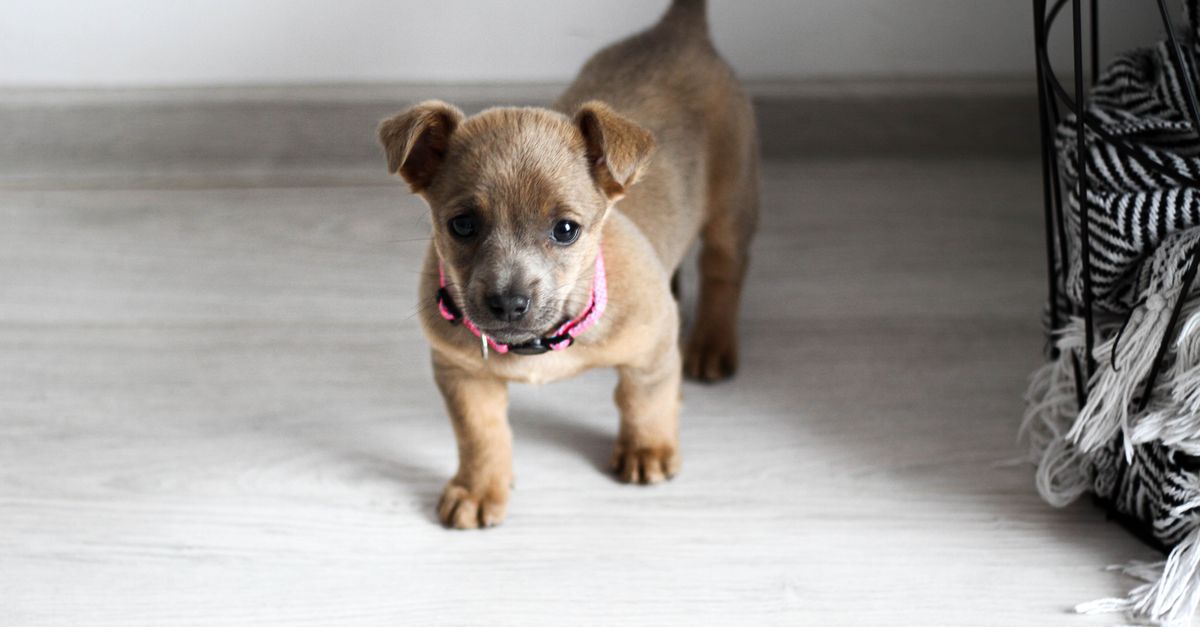
A puppy's first day at home should be as quiet as possible - no crowd of visitors, no overwhelming stimuli. Give your pup one safe, familiar-smelling space, stick to the food it already knows, and let it explore at its own pace. That is how trust is built from the very first hours.
You have waited weeks for this. But for the puppy, today is nothing like excitement - it is the biggest upheaval of its short life. New smells, new sounds, no littermates, no mother. Your job on day one is not to entertain the pup. It is to show the new home is safe.
Before the puppy arrives - proof the home
Get down on your hands and knees and look at the room from paw height. What you cannot see standing up is exactly what the puppy will find first.
Priority hazards to address:
| Hazard | What to do |
|---|---|
| Electrical cables | Conceal in cable tidies or tuck behind furniture |
| Toxic plants (philodendron, dracaena, cyclamen) | Move out of reach or out of the room |
| Small objects - coins, rubber bands, medicines | Lock in drawers or cupboards |
| Bins and rubbish | Use a lidded bin or move behind a closed door |
| Stairs and balconies | Block with gates and netting |
Puppies do not distinguish between a chew toy and a charging cable. Proofing the environment is not fuss - it is the baseline for a safe first day.
The first hours - less is more
Limit the welcome party to one or two people maximum. Save the neighbours, the cousins, and the kids' friends for next week. The puppy needs the chance to sniff a new space without being constantly overwhelmed by new faces and hands reaching for it.
A simple first-hours flow:
- Before going inside, pause outside - let the pup toilet on a patch of grass.
- Carry or lead the pup into one room, not the whole flat at once.
- Let it sniff without pushing contact - follow the pup, do not drag it.
- Offer water and a small meal of the same food it knows.
- After 15-20 minutes of activity, guide it to the crate or bed for the first nap.
Puppies at 7-8 weeks need 18-20 hours of sleep per day. That is not laziness - that is neurodevelopment, muscle growth, and immune system building happening in real time.
The crate - a den, not a punishment
A crate introduced gently is one of the best things you can give a puppy. Separated from the warmth of the litter, a young pup instinctively looks for a small, enclosed space that feels like a den.
Place the crate in your bedroom for at least the first few weeks. The pup cannot see you but it can hear you breathe, and that matters. Line it with a soft blanket and add something that smells of you - a worn t-shirt works well. Leave the door open during the day so the pup can wander in and out freely. The crate should never feel like a trap.
The first night - what to expect
Crying is normal and expected. The pup has lost the warmth and scent of its littermates overnight. Your presence and calm responses are its anchor now.
What helps:
- Crate close to your bed so you can speak quietly without getting up
- A warm stuffed toy or a small warm water bottle wrapped in fabric
- A final toilet trip as late as possible - around 10 or 11 pm
- A quiet night-time toilet trip if the pup stirs, followed by a calm return to the crate - no play, no big fuss
Most puppies settle significantly within a few days. If intense crying continues beyond two weeks, it is worth speaking to a vet or animal behaviourist.
Food - do not change it yet
The stress of the move alone is enough to upset a puppy's digestion. A sudden food change on top of that is a recipe for diarrhoea and extra anxiety. For the first 7-10 days, feed exactly what the breeder gave, at the same times. When you are ready to switch foods, blend old and new over roughly a week, increasing the proportion of the new food each day.
Young puppies up to about 14-18 weeks do best on 3 meals a day - morning, midday, and evening. Smaller, more frequent meals stabilise blood sugar and are gentler on the digestive system.
First vet visit
Book it in the first or second week. This is not just a health check - it is the chance to set up the vaccination schedule, arrange deworming, and ask every question you have been storing up. Do not let it slide: the vaccination series is time-sensitive in the first months of life.
Once your pup has had its first vaccinations, you can begin short outings. That is also the start of dog socialization - and the window for it does not stay open long. A gentle intro to walking a puppy covers how to build up those early outings safely.
What to start on day one
House training does not begin next week - it begins now. Take the pup outside:
- immediately after waking up
- after every meal
- after every play session
- before sleep
The moment it toilets outside, praise warmly and immediately. Scolding accidents indoors does not work - the puppy cannot connect a punishment to something it did a minute ago. Read more about building the habit in the puppy house training guide.
First-day mistakes to avoid
- Inviting a crowd. Wait at least a week before friends come to meet the puppy.
- Play sessions that go on too long. Puppies do not self-regulate well. You need to call time and put the pup down for a nap before it crashes.
- Releasing the pup every time it cries. Respond calmly - but after a brief pause, not instantly. Immediate release teaches the pup that crying is the way out.
- Changing food, routine, and environment all at once.
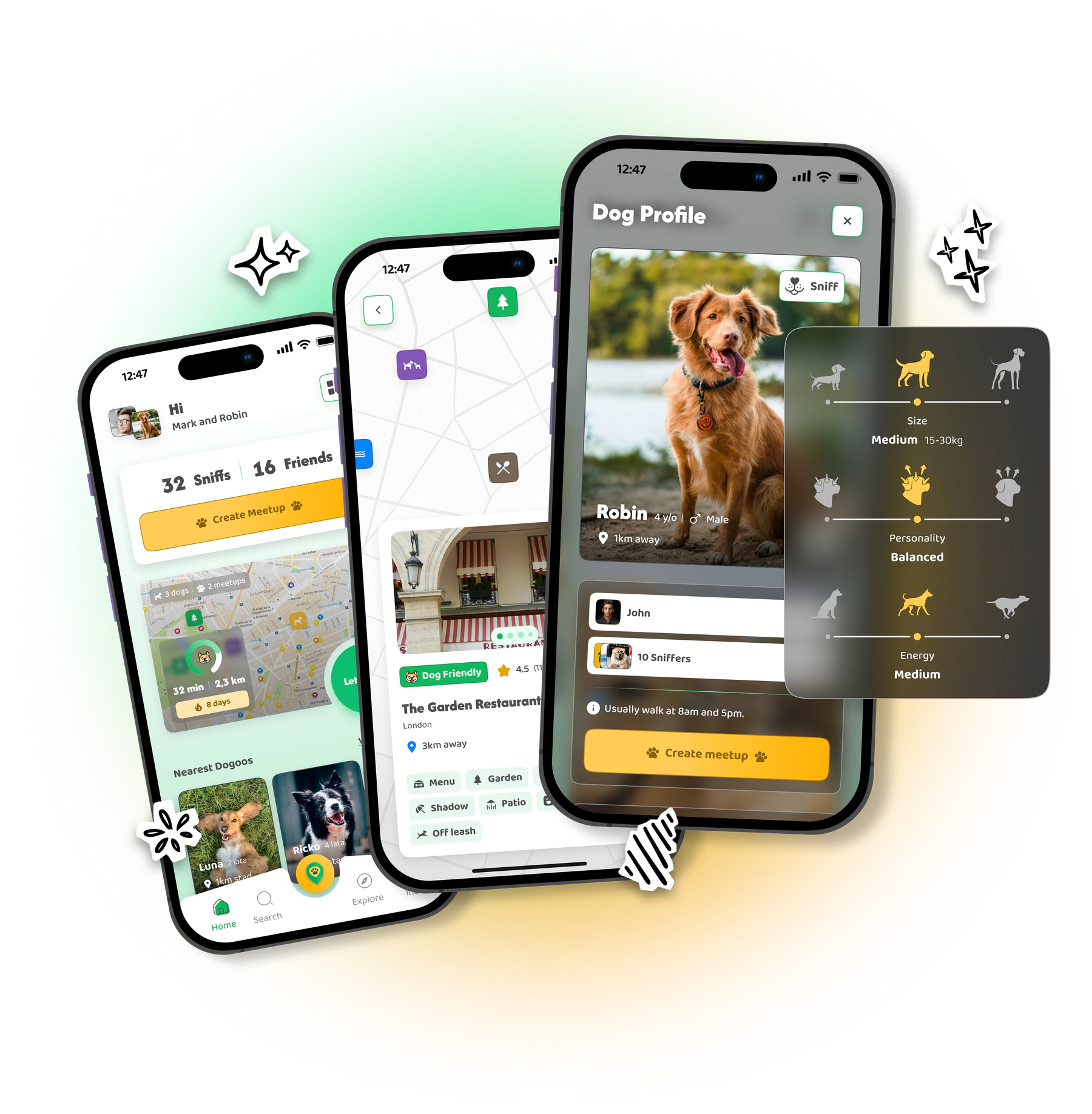
Within one to two weeks most puppies have found their feet - curious, bouncy, and ready for the world. That is your cue to get out and explore. The DOGOUT map shows off-lead areas, dog-friendly parks, and safe spots near you - perfect for the pack's first proper adventures together.
Frequently asked questions
- What should I do before bringing a puppy home?
- Puppy-proof the space at nose and paw level: hide electrical cables, remove toxic plants, and put away small objects. Set up a crate or bed, have water and food bowls ready, and buy the same food the breeder was using. Decide on a toilet schedule before the pup arrives - consistency from day one makes a real difference.
- How much do puppies sleep?
- Puppies aged 7-8 weeks sleep 18-20 hours per day. Sleep is essential for the development of the nervous system, muscles, and immune system. Never wake a sleeping puppy - let it rest after every play session.
- Will my puppy cry the first night?
- Most likely yes. Being separated from the litter is a huge change. Placing the crate in your bedroom, adding a warm toy, or putting a worn t-shirt inside can help the pup settle. Most puppies sleep much more peacefully within a few days to two weeks.
- When should a puppy have its first vet visit?
- Aim for the first or second week at home. The vet will check overall health, set up a vaccination schedule, and advise on deworming. Do not skip or delay - the vaccination series is time-sensitive during the first months of life.
- Should I change the puppy's food straight away?
- No. A sudden diet change on top of the stress of moving can cause diarrhoea. For the first 7-10 days, feed exactly what the breeder gave. If you want to switch foods, do it gradually over about a week - mixing increasing amounts of the new food with the old.
- When can a puppy go for its first walk?
- A short outing in a clean, safe area can happen from day one and also counts as early socialisation. Busier public pavements are best avoided until the full vaccination course is complete. Ask your vet what areas are safe given your puppy's current vaccination status.