Boxer Dog Temperament - the Honest Guide
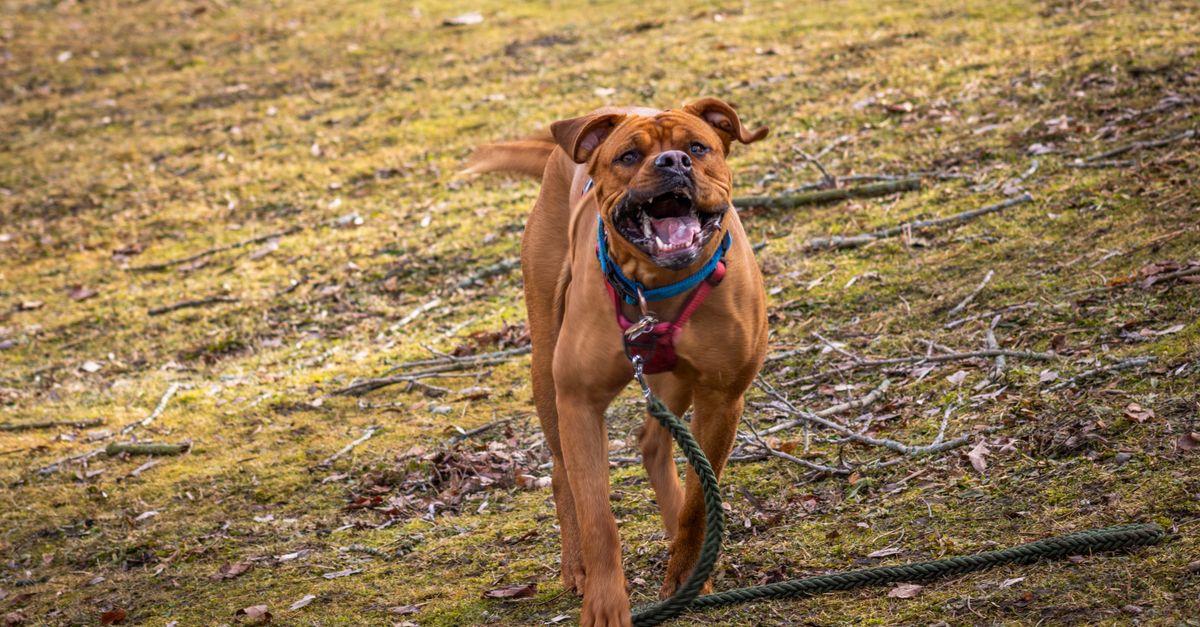
The Boxer is energetic, playful, and deeply bonded to its family. It is brave, alert with strangers, yet gentle and patient with children. Boxers mature late - many act like puppies until around age 3 - and need plenty of exercise and human company. As a short-nosed breed, the Boxer is sensitive to heat and carries a higher risk of several serious health conditions, so it is not the right dog for everyone.
The Boxer looks serious - a muscular build, a square muzzle, an alert gaze. Then it does a spin with a toy in its mouth and reveals itself as one of the most playful, clownish dogs among the working breeds. Before you commit to a Boxer, though, it helps to know that beneath that cheerful surface is a demanding dog: high-energy, health-sensitive, and intensely attached to people.
Where does the Boxer's character come from?
The Boxer comes from Germany, descended from the Bullenbeisser, a powerful dog once used to hunt large game and hold it until the hunter arrived. In the 19th century the breed was crossed with the English Bulldog, among others, and refined into the Boxer we recognise today.
That heritage explains the temperament: the Boxer had to be brave, hardy, and willing to work with people. Later it proved itself as a guard, police, and military dog, and as one of the earliest guide dogs. The modern Boxer is a working dog in the body of a family clown, and living with one means reconciling those two natures every day.
Core character traits
Energy and joy are the breed's signature. A Boxer plays with its whole body, jumps, spins, and hides nothing about its enthusiasm. It is often called a perpetual puppy, because full emotional maturity arrives late - frequently only around age 3.
Attachment to family runs deep. A Boxer wants to be wherever its people are and copes worst with isolation. This is a house dog, not a kennel-in-the-yard dog.
Courage and a protective instinct make the Boxer a natural alert dog. It will flag someone approaching the house and, in a genuine threat, stand up for its family. That does not make it aggressive by nature - well handled, it is balanced and friendly.
Intelligence with a streak of stubbornness - a Boxer learns quickly but can be independent and likes to problem-solve on its own terms. Dull, repetitive drilling puts it off; it works best when training feels like a game.
| Trait | Description |
|---|---|
| Friendliness to family | Very high - deeply bonded |
| Attitude to strangers | Alert - good watchdog, needs socialisation |
| Energy level | High - needs daily exercise |
| Trainability | Medium to high - smart but sometimes stubborn |
| Tolerance of being alone | Low - prone to separation anxiety |
| Patience with children | High - under adult supervision |
| Heat sensitivity | High - short-nosed breed |
How much exercise does a Boxer need?
The Boxer is an active breed and turns into a handful without a proper dose of exercise. An adult needs around 1 to 2 hours of activity a day, spread across several outings. A calm on-lead walk alone will not cut it - a Boxer wants to run, fetch, tug, and solve tasks.
- Puppy: short, frequent outings and plenty of free play, without forcing the joints or long runs on hard surfaces.
- Young Boxer: this is the peak-energy phase - channel it into basic obedience and dog sports before the dog invents its own entertainment.
- Adult Boxer: combining physical exercise with mental work (scent games, fetch, tricks) gives the best results.
One important caveat: the Boxer is a short-nosed (brachycephalic) breed that overheats easily and struggles to breathe in hot weather. On warm days, walk in the early morning and evening, avoid exertion in direct sun, and keep water available. For more on summer safety, see our guide on walking a dog in hot weather.
Is a Boxer right for you?
Not everyone - and it is fairer to say so plainly.
A Boxer suits you if:
- You are active and want to spend real time with your dog.
- You have the patience for a boisterous, slow-maturing dog.
- You are ready for consistent, reward-based training and socialisation.
- You accept the costs and risks tied to this breed's health.
A Boxer may be the wrong choice if:
- You are away from home for very long days and the dog would be left alone.
- You want a calm, independent dog that entertains itself.
- You live in a very hot climate and cannot adjust walk times.
- You have no budget for regular, good veterinary care.
Socialisation and training
The Boxer starts from a balanced baseline, but its alertness towards strangers and other dogs means socialisation from the earliest weeks is essential. A dog that calmly met people, other dogs, city sounds, and varied situations as a puppy grows into a stable adult rather than an over-aroused, reactive one.
For training, lean on positive methods and short, varied sessions. A Boxer responds with enthusiasm to play and rewards, and reacts badly to yanking and force - which, in a dog this strong, is a direct route to problems anyway. Basics like recall, loose-lead walking, and a calm greeting without jumping on people make an enormous difference in daily life with a big, enthusiastic dog.
Health and lifespan
Here honesty is needed: the Boxer is a health-burdened breed. Boxers live on average 10 to 12 years, and the most common concerns include:
- Cancer - the breed has a raised risk of tumours, so it is worth showing any new lump to a vet.
- Heart disease - including Boxer cardiomyopathy and valve problems; cardiac screening is recommended.
- Breathing problems tied to the short muzzle, and sensitivity to heat.
- Joint dysplasia and degenerative conditions in older age.
- Bloat and gastric torsion (GDV) - an emergency in large, deep-chested breeds.
This does not mean every Boxer will fall ill - many live long, happy lives. It does mean that choosing a responsible breeder who health-tests the parents, keeping weight in check, and booking regular check-ups have a real impact on a Boxer's life.
The Boxer gives back enormous joy and loyalty, but it needs a committed owner ready for its energy and its health needs. On DogOut it makes no difference whether you have a pedigree Boxer or a rescue mix - what counts is that you want to get outside together. Open the DogOut map and find where your dog can run off some steam and meet other dogs nearby.
Frequently asked questions
- Are Boxers aggressive?
- Boxers are not naturally aggressive towards people - a well-raised, socialised Boxer is friendly and patient, especially with its own family. They do have a strong protective instinct and can be alert with strangers or unfamiliar dogs. Early socialisation and consistent reward-based training are what keep that instinct balanced.
- Is a Boxer good with children?
- Yes, Boxers are known for their attachment to children and their patience. Bear in mind that this is a large, exuberant dog that can knock a small child over through sheer enthusiasm. Contact between a Boxer and a young child should always be supervised by an adult.
- How much exercise does a Boxer need?
- An adult Boxer needs roughly 1 to 2 hours of activity a day, spread across several outings. On-lead walking alone is not enough - play, fetch, and scent work all count. Watch the heat: as a short-nosed breed, the Boxer overheats easily.
- How long do Boxers live?
- Boxers live on average 10 to 12 years. The breed unfortunately carries a raised risk of cancer and heart disease, so regular veterinary check-ups genuinely matter for both the length and the quality of a Boxer's life.
- Do Boxers bark a lot?
- The Boxer is not a compulsive barker, but it will let you know when something is happening outside - it makes a good alert dog. Boxers often communicate through a distinctive grumbling and range of sounds that owners jokingly call talking. Excessive barking usually points to boredom or too little exercise.
- Can a Boxer be left alone?
- Boxers bond intensely with their family and cope badly with long stretches alone - the breed is prone to separation anxiety. A Boxer can manage a few hours if it has been gradually accustomed to it and well exercised first. Long daily periods of being left alone are a poor fit for this breed.