Dog Licking Paws - 6 Causes and When to Act
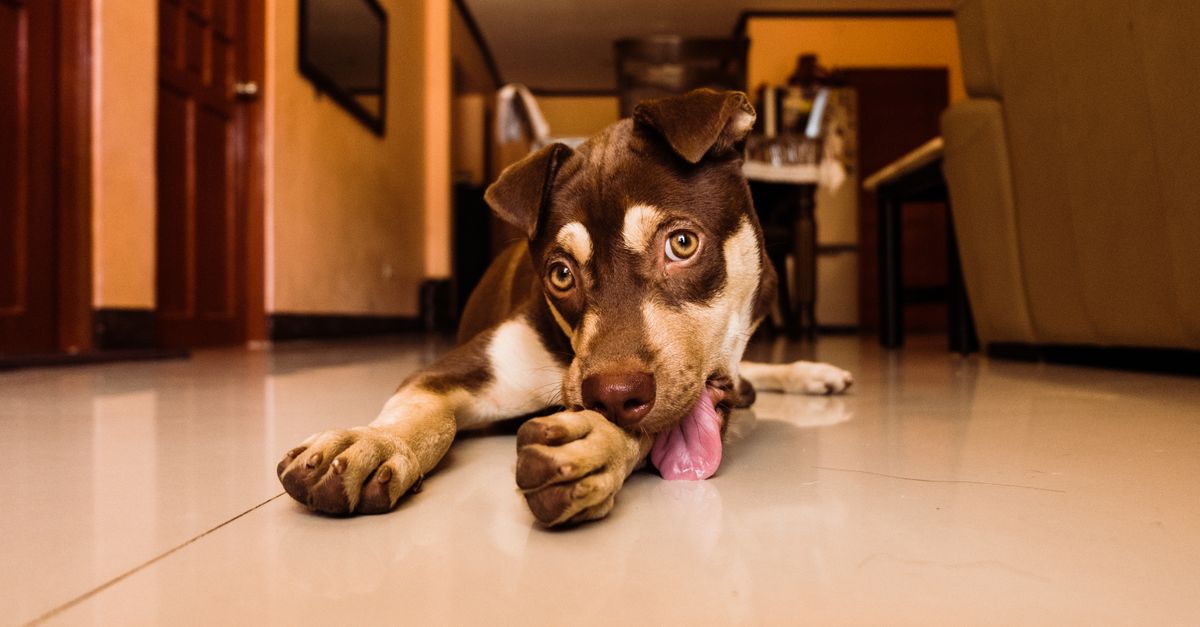
Dogs lick their paws most commonly because of allergies (environmental or food-related), a yeast infection, a foreign body lodged between the toes, pain or injury, or occasionally stress and boredom. Occasional licking is normal - the problem starts when it becomes persistent and the paws are red, swollen, or the dog is limping. That is when a vet visit is needed.
Most dogs lick their paws occasionally - it is part of their daily grooming routine. But when it goes on for hours, the fur between the toes turns a rusty brown, and the dog cannot seem to stop? That is no longer grooming. That is your dog telling you something is wrong.
Why Dogs Lick Their Paws - 6 Most Common Causes
Excessive paw licking is rarely random. The table below covers the most common causes and their telltale signs - useful for narrowing things down before your vet appointment.
| Cause | Typical signs | When it tends to occur |
|---|---|---|
| Environmental allergy | Seasonal licking, paws, belly, ears affected | Spring and summer (pollen, grasses) |
| Food allergy | Year-round licking, red ears | Independent of season |
| Yeast infection | Corn-chip smell, brown fur, intense itch | More often in summer, after swimming |
| Foreign body | Sudden licking of one paw, possible limping | Right after a walk in the field |
| Pain or injury | Limping, licking a specific spot | After exercise or impact |
| Stress or boredom | Licking without skin changes, other anxiety signs | When left alone for long periods |
Allergies - the most common culprit
Allergies are by far the most common reason dogs lick their paws. There are two main types:
Environmental allergy (atopy) - a reaction to grass pollen, dust mites, mould, or other airborne allergens. It is often seasonal, peaking in spring and summer. The dog licks their paws after coming in from a walk, and symptoms may also include a red belly, groin, and ears. Wiping the paws with a damp cloth after every outing removes surface allergens and can reduce symptoms.
Food allergy - the dog's immune system reacts to a protein in their diet (most often chicken, beef, dairy, or wheat). Licking continues year-round regardless of weather. Diagnosis requires a strict elimination diet supervised by a vet - typically 8 to 12 weeks of a novel protein the dog has never eaten before.
For more on signs that your dog might benefit from a calmer, more structured routine, see the article on dog socialization.
Yeast infection - your nose knows first
Malassezia yeast naturally lives on a dog's skin, but the warm and moist spaces between the toes are perfect for overgrowth. The giveaway is a distinctive sweet or corn-chip smell, combined with intense itching, redness, and that characteristic brown staining of the fur. This is not something to treat with home remedies - the pack needs a vet-prescribed antifungal.
A foreign body between the toes
One of the simplest causes to check. A grass awn, thorn, piece of gravel, or glass splinter can lodge between the toes and cause real discomfort. The classic clue is sudden intense licking of one specific paw, often immediately after a walk in long grass or gravel. Gently spread the toes under good light and look carefully in the webbing.
Pain and paw injuries
Dogs lick where it hurts - that is instinct. Burned pads from hot pavement, cuts, bruising, or joint pain can all show up as paw licking. If limping accompanies the licking, or the dog visibly guards a specific paw, get to the vet.
Worth noting: summer asphalt can burn a dog's pads in seconds. A quick rule - if the surface is too hot for the back of your hand, it is too hot for your dog's paws. Check out the guide on walking your dog in heat for more on this.
Stress, anxiety, and boredom
Dogs under chronic stress or those who are under-stimulated can develop repetitive self-soothing behaviours - paw licking included. Important note: stress is a diagnosis of exclusion. Medical causes need to be ruled out first. When stress or separation anxiety is the driver, paw licking rarely appears alone - look for other signs like vocalisation, destructive behaviour, or refusal to eat. More on that in the article on dog separation anxiety.
Brown fur between the toes - what it means
That rusty or reddish-brown staining you see between the pads comes from porphyrins in saliva. Porphyrins are a natural component of dog saliva and tears - not toxic in themselves - but when licking is excessive over time, they accumulate in the coat and shift it from pink to rust to dark brown. The colour alone is not a disease, but it is a reliable indicator that licking has been going on for too long and the cause is worth finding.
When to see the vet
Do not wait if:
- Licking is daily and goes on for hours
- The paws are red, swollen, or visibly wounded
- The dog is limping or clearly protecting a paw
- You can smell something unpleasant coming from the feet
- Ear scratching, a red belly, or coat loss are also present
When you call your vet, it helps to describe: when the licking started, whether it is seasonal or year-round, whether it affects one paw or all four, and whether anything changed recently - new food, new walking routes, a new product used at home.
What you can do at home
Before or alongside vet treatment:
- Wipe the paws after every outing - a damp cloth removes allergens (pollen, grass residue) from between the toes.
- Check the paws after every walk, especially in fields or woodland - catch foreign bodies before they work their way in deeper.
- Do not keep the paws constantly wet - excess moisture encourages yeast to thrive.
- Do not apply any products without vet guidance - the wrong preparations can make skin irritation worse.
A well-exercised, mentally stimulated dog is less likely to turn to obsessive self-soothing. Get out there - find off-lead areas, parks, and walking routes near you on the DogOut map, and give the pack the outlet they need.
Frequently asked questions
- Is a dog licking their paws always a problem?
- No - brief licking after a walk is normal grooming. The problem starts when licking is prolonged or obsessive, or when it is accompanied by skin changes: redness, swelling, a brown or rusty stain on the fur between the toes, or an unpleasant smell.
- What causes the brown or rusty fur between the toes?
- The staining comes from porphyrins found in saliva. When a dog licks excessively, porphyrins build up in the coat and turn it pink or rusty red, darkening to brown over time. The colour itself is not a disease, but it is a clear sign that licking has been going on too long.
- When is paw licking a sign of allergies?
- If your dog licks their paws seasonally - especially in spring and summer, or after contact with grass and outdoor surfaces - environmental allergy is very likely. If the licking continues year-round regardless of season, food allergy is the more probable cause. A vet can help rule each out and may suggest an elimination diet.
- What is a yeast infection of the paws?
- Yeast (most often Malassezia) naturally lives on a dog's skin, but the warm, moist spaces between the toes are ideal for overgrowth. Signs include itching, redness, a distinctive corn-chip or musty smell, and brown staining of the fur. It requires antifungal treatment prescribed by a vet - not home remedies.
- Can a dog lick their paws because of stress?
- Yes, though stress is a less common cause than medical problems. Anxiety, separation anxiety, or boredom can trigger repetitive self-soothing behaviours, including paw licking. If your vet has ruled out physical causes, look at the dog's exercise, mental stimulation, and daily routine.
- How do I check for a foreign body between the toes?
- Gently spread your dog's toes and inspect the webbing under good light. Look for grass awns, thorns, gravel, glass splinters, or small stones. A sudden onset of intense licking on one specific paw after a walk is the classic clue.